Chia Oil
Auto-generated content. This description was generated automatically and is pending editorial review. Inaccuracies are possible. Found a mistake? Contact us.
What it is
Chia oil is extracted from the seeds of the chia plant (Salvia hispanica L.), a flowering herb native to Mexico and Guatemala. The oil is typically obtained through cold-pressing the seeds, a process that helps preserve its nutritional qualities.
Why it's used
Manufacturers use chia oil primarily as a source of healthy fats, particularly omega-3 fatty acids, in food products. It is often found in salad dressings, cooking oils, and some baked goods, where it can contribute a mild, nutty flavor and improve texture.
Health notes
Chia oil is generally recognized as safe (GRAS) by the FDA for use in food. It is a rich source of alpha-linolenic acid (ALA), an omega-3 fatty acid. While ALA is an essential nutrient, the body's conversion of ALA to other omega-3s like EPA and DHA is limited. International bodies like JECFA have evaluated chia seeds and their components, but no specific regulatory limits for chia oil consumption are set in the US. Research suggests that chia seeds and their oil may offer benefits related to heart health and inflammation, but more studies are needed to confirm these effects.
Allergen info
Chia is not one of the FDA's 9 major food allergens. It is also gluten-free.
Products containing Chia Oil
Compare products →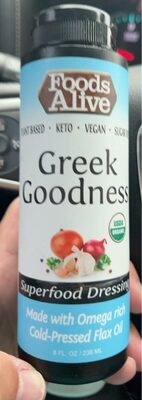 Foods Alive Inc.
Superfood Dressing
446kcal
0Protein
46.4Fat
3.6Carbs
Foods Alive Inc.
Superfood Dressing, Greek Goodness
446kcal
0Protein
46.4Fat
3.6Carbs
Foods Alive Inc.
Creamy Italian Superfood Dressing
411kcal
0Protein
42.9Fat
3.6Carbs
International Delicacies Inc.
Rich Nutty Flavor Chia Oil, Rich Nutty
933kcal
0Protein
100Fat
0Carbs
Foods Alive Inc.
Superfood Dressing
446kcal
0Protein
42.9Fat
14.3Carbs
Foods Alive Inc.
Superfood Dressing, Creamy Italian
411kcal
0Protein
42.9Fat
3.6Carbs
Foods Alive Inc.
Superfood Dressing
446kcal
0Protein
42.9Fat
14.3Carbs
Foods Alive Inc.
Greek Goodness Superfood Dressing
446kcal
0Protein
46.4Fat
3.6Carbs
Foods Alive Inc.
Superfood Dressing, Creamy Italian
411kcal
0Protein
42.9Fat
3.6Carbs
Foods Alive Inc.
Superfood Dressing
446kcal
0Protein
46.4Fat
3.6Carbs
Foods Alive Inc.
Superfood Dressing, Greek Goodness
446kcal
0Protein
46.4Fat
3.6Carbs
Foods Alive Inc.
Creamy Italian Superfood Dressing
411kcal
0Protein
42.9Fat
3.6Carbs
International Delicacies Inc.
Rich Nutty Flavor Chia Oil, Rich Nutty
933kcal
0Protein
100Fat
0Carbs
Foods Alive Inc.
Superfood Dressing
446kcal
0Protein
42.9Fat
14.3Carbs
Foods Alive Inc.
Superfood Dressing, Creamy Italian
411kcal
0Protein
42.9Fat
3.6Carbs
Foods Alive Inc.
Superfood Dressing
446kcal
0Protein
42.9Fat
14.3Carbs
Foods Alive Inc.
Greek Goodness Superfood Dressing
446kcal
0Protein
46.4Fat
3.6Carbs
Foods Alive Inc.
Superfood Dressing, Creamy Italian
411kcal
0Protein
42.9Fat
3.6Carbs