Chick Pea
What is Chick Pea?
Chickpeas, also known as garbanzo beans, are a legume native to the Middle East. They are a good source of protein and fiber. Chickpeas are typically sold dried or canned, and can be cooked whole or ground into flour.
Is Chick Pea vegan?
Chick Pea is not animal-derived. Products that contain it can still include other animal-derived ingredients, so check the full ingredient list.
Is Chick Pea gluten-free?
They do not contain gluten.
Is Chick Pea a major allergen?
Chickpeas are not one of the nine major allergens recognized by the FDA.
What is Chick Pea used for?
Chickpeas are used in a variety of dishes, from hummus and falafel to salads and stews.
Is Chick Pea safe?
Chickpeas are recognized as safe (GRAS) by the FDA.
Why it's used
Chickpeas are used in a variety of dishes, from hummus and falafel to salads and stews. As a food ingredient, chickpea flour can act as a binder or thickener in baked goods and processed foods. Their mild flavor and nutritional profile make them a versatile addition to many products.
Health notes
Chickpeas are recognized as safe (GRAS) by the FDA. They are a nutrient-dense food, providing fiber, protein, and various vitamins and minerals. Regulatory bodies like JECFA and EFSA have evaluated chickpeas and their components. Evidence suggests that regular consumption of legumes like chickpeas may contribute to a healthy diet.
Allergen info
Chickpeas are not one of the nine major allergens recognized by the FDA. They do not contain gluten.
Foods that contain Chick Pea
Compare products →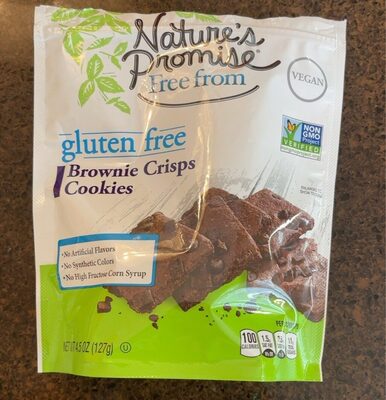
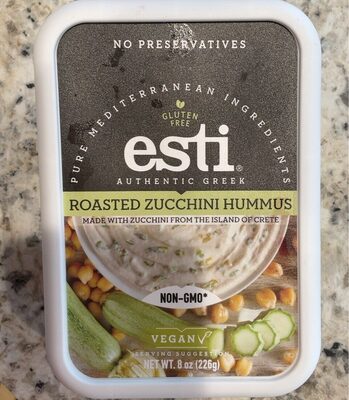
Learn more
Auto-generated content. This description was generated automatically and is pending editorial review. Inaccuracies are possible. Found a mistake? Contact us.