Chionoecetes Japonicus
What is Chionoecetes Japonicus?
Chionoecetes japonicus is a species of crab, commonly known as the Japanese spider crab. It is a marine crustacean found in the waters around Japan. The crab is harvested for its meat, which is often processed for use in various food products.
Is Chionoecetes Japonicus vegan?
No. Chionoecetes Japonicus is animal-derived, so it is not vegan.
Is Chionoecetes Japonicus a major allergen?
Chionoecetes japonicus is a crustacean shellfish, which is one of the 9 major allergens recognized by the FDA.
What is Chionoecetes Japonicus used for?
The meat of Chionoecetes japonicus is primarily used as a seafood ingredient.
Is Chionoecetes Japonicus safe?
Chionoecetes japonicus is a natural food ingredient and is not subject to FDA additive regulations.
Why it's used
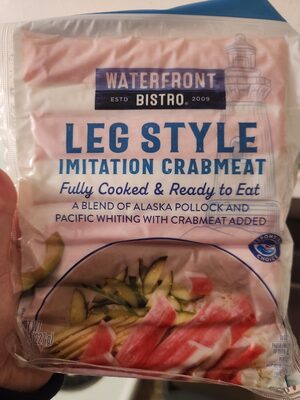
The meat of Chionoecetes japonicus is primarily used as a seafood ingredient. It is often processed and used in imitation crab meat products, where its texture and flavor contribute to the final product. It can also be found in seafood salads and other prepared dishes.
Health notes
Chionoecetes japonicus is a natural food ingredient and is not subject to FDA additive regulations. It is a source of protein and other nutrients. As with any seafood, it should be consumed as part of a balanced diet. There are no specific regulatory evaluations by bodies like JECFA or EFSA for this specific species as a food additive.
Allergen info
Chionoecetes japonicus is a crustacean shellfish, which is one of the 9 major allergens recognized by the FDA. Shellfish allergies can be severe.
Foods that contain Chionoecetes Japonicus
Compare products →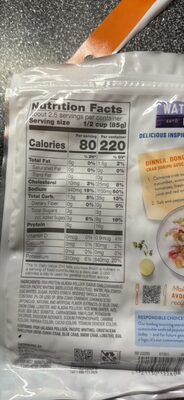
Learn more
Auto-generated content. This description was generated automatically and is pending editorial review. Inaccuracies are possible. Found a mistake? Contact us.