Chlorella
What is Chlorella?
Chlorella is a type of green algae that grows in fresh water. It is typically grown in large tanks or ponds and then harvested and processed. The processing usually involves drying and sometimes breaking down the cell walls to make its nutrients more available.
Is Chlorella vegan?
Chlorella is not animal-derived. Products that contain it can still include other animal-derived ingredients, so check the full ingredient list.
Is Chlorella gluten-free?
It does not contain gluten.
Is Chlorella a major allergen?
Chlorella is not derived from any of the 9 FDA major allergens.
What is Chlorella used for?
Chlorella is often added to foods as a source of nutrients, particularly protein, vitamins, and minerals.
Is Chlorella safe?
In the U.S., chlorella is generally recognized as safe (GRAS) when used as a food ingredient.
Why it's used
Chlorella is often added to foods as a source of nutrients, particularly protein, vitamins, and minerals. It is also used for its vibrant green color. You can find it in products like smoothies, juices, energy bars, and plant-based protein powders.
Health notes
In the U.S., chlorella is generally recognized as safe (GRAS) when used as a food ingredient. It is a source of various nutrients. International bodies like the European Food Safety Authority (EFSA) have evaluated algae and their components, but specific evaluations for chlorella's use as a food additive may vary. Some research suggests it may have antioxidant properties and support immune function, but more studies are needed to confirm these effects at typical dietary intakes.
Allergen info
Chlorella is not derived from any of the 9 FDA major allergens. It does not contain gluten.
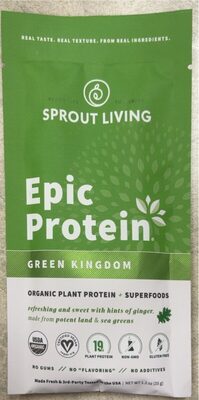
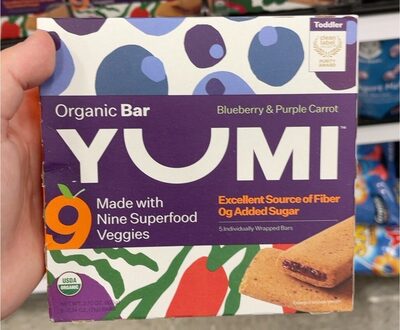
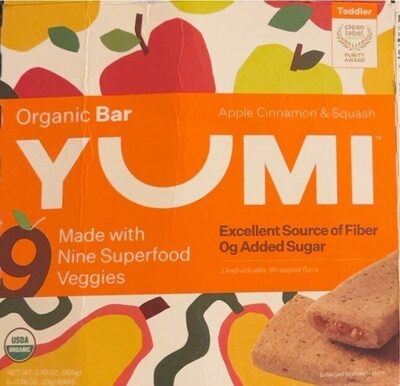
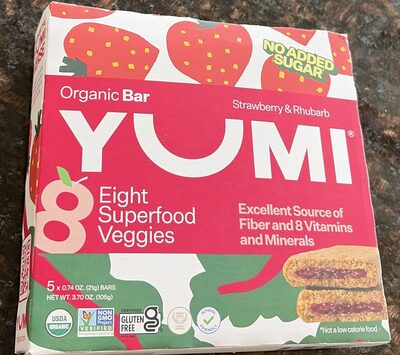
Foods that contain Chlorella
Compare products →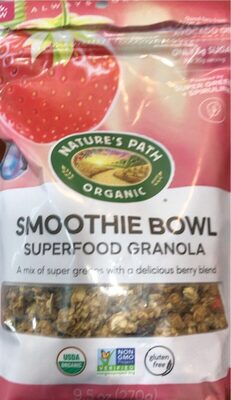
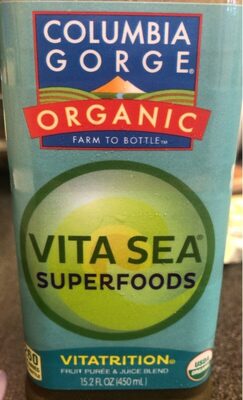
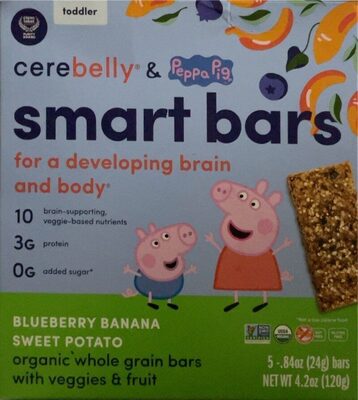
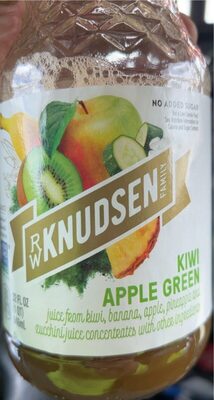
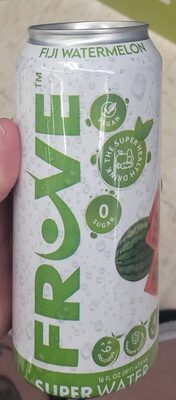
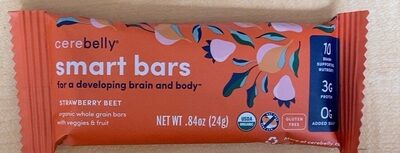
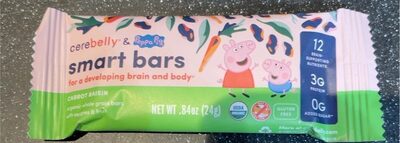
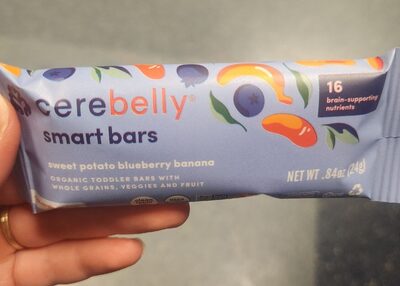
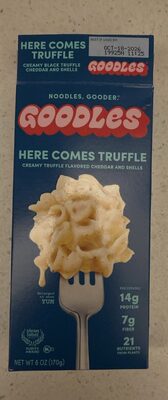
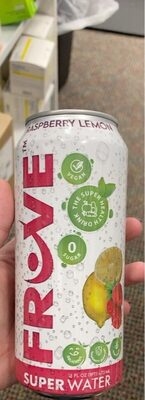
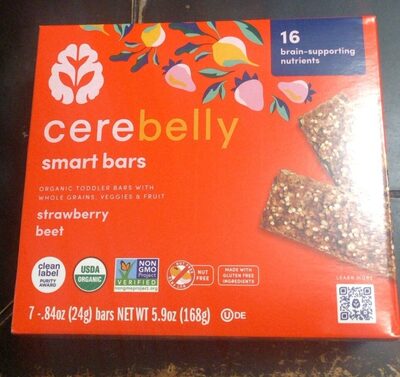
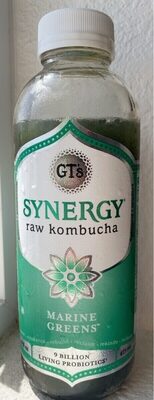
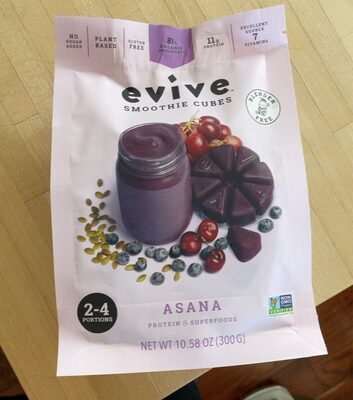
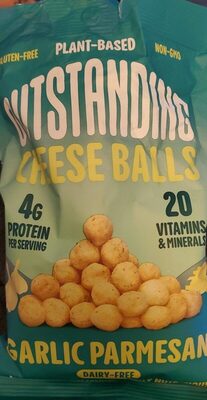
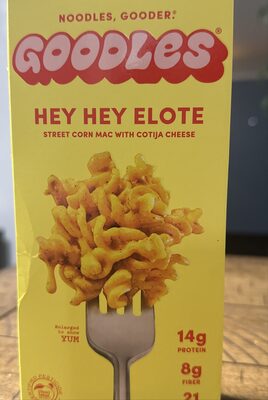

Learn more
Auto-generated content. This description was generated automatically and is pending editorial review. Inaccuracies are possible. Found a mistake? Contact us.