Chocolaty Coating
What is Chocolaty Coating?
Chocolaty coating is a confectionary coating designed to mimic the taste and texture of chocolate. It is typically made from sugar, vegetable oil (like palm kernel or coconut oil), cocoa powder, and emulsifiers such as soy lecithin. Unlike real chocolate, it often contains no cocoa butter and may not include milk solids.
Is Chocolaty Coating a major allergen?
Chocolaty coatings may contain soy lecithin, which is derived from soy and is one of the major allergens.
What is Chocolaty Coating used for?
Manufacturers use chocolaty coating for its ability to set firm at room temperature and provide a crisp shell for frozen treats, baked goods, and candies.
Is Chocolaty Coating safe?
Chocolaty coating is generally recognized as safe (GRAS) by the FDA when used as intended.
Why it's used
Manufacturers use chocolaty coating for its ability to set firm at room temperature and provide a crisp shell for frozen treats, baked goods, and candies. It offers a more economical alternative to real chocolate, delivering a similar visual appeal and a sweet flavor profile.
Health notes
Chocolaty coating is generally recognized as safe (GRAS) by the FDA when used as intended. It is primarily composed of sugar and fat, and like other high-sugar, high-fat foods, excessive consumption may contribute to weight gain and related health issues. Regulatory bodies like JECFA and EFSA have evaluated many of the individual components used in such coatings.
Allergen info
Chocolaty coatings may contain soy lecithin, which is derived from soy and is one of the major allergens. Some formulations might also contain milk ingredients, depending on the specific product.
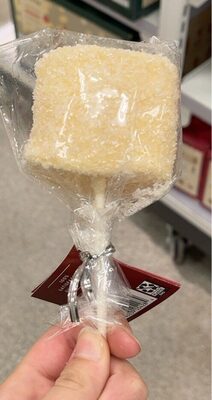
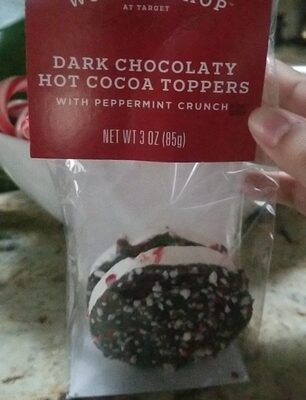
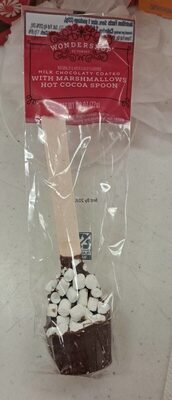
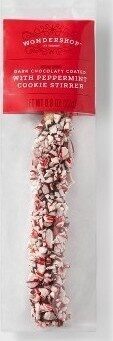
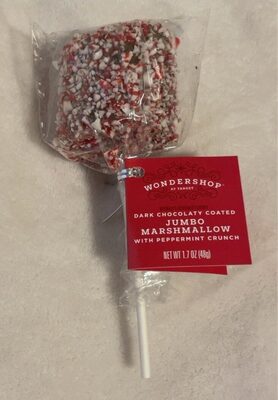
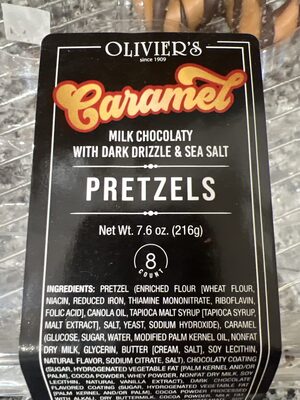
Foods that contain Chocolaty Coating
Compare products →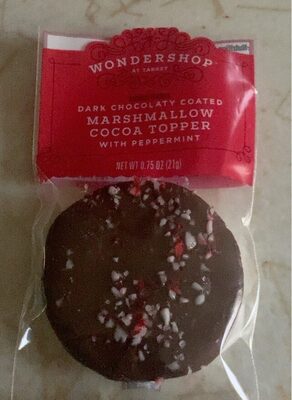
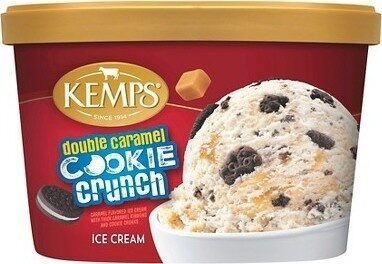
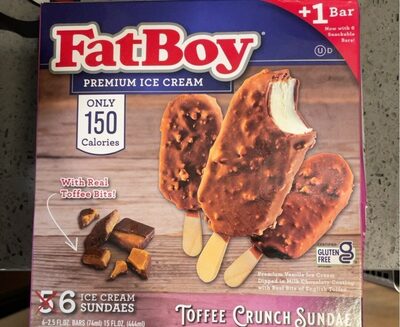


Auto-generated content. This description was generated automatically and is pending editorial review. Inaccuracies are possible. Found a mistake? Contact us.