Chromium Chloride
What is Chromium Chloride?
Chromium chloride is a chemical compound containing chromium, a trace mineral. It is typically produced by reacting hydrochloric acid with chromium metal or chromium compounds. It is used as a source of chromium in supplements and fortified foods.
Is Chromium Chloride vegan?
Chromium Chloride is not animal-derived. Products that contain it can still include other animal-derived ingredients, so check the full ingredient list.
Is Chromium Chloride gluten-free?
It does not contain gluten.
Is Chromium Chloride a major allergen?
Chromium chloride is not derived from any of the nine FDA major allergens.
What is Chromium Chloride used for?
Chromium chloride is added to foods and beverages as a source of the essential mineral chromium.
Is Chromium Chloride safe?
In the US, chromium chloride is permitted as a nutrient supplement.
Why it's used
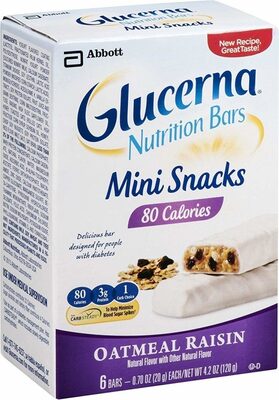
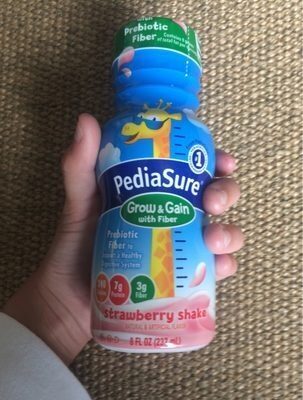
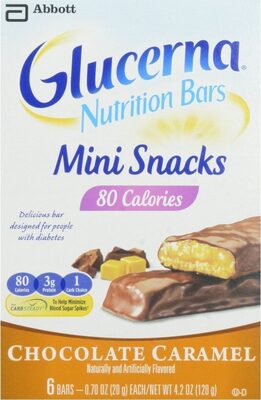
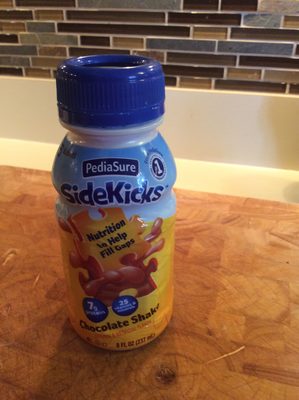
Chromium chloride is added to foods and beverages as a source of the essential mineral chromium. It is often found in dietary supplements, meal replacement products, and fortified drinks designed for nutritional support or energy enhancement.
Health notes
In the US, chromium chloride is permitted as a nutrient supplement. The FDA has not established a maximum upper intake level for chromium. The Joint FAO/WHO Expert Committee on Food Additives (JECFA) has evaluated chromium compounds, but did not set a numeric acceptable daily intake (ADI). Research is ongoing regarding chromium's role in glucose metabolism and its potential health benefits, but evidence is mixed and more study is needed.
Allergen info
Chromium chloride is not derived from any of the nine FDA major allergens. It does not contain gluten.
Foods that contain Chromium Chloride
Compare products →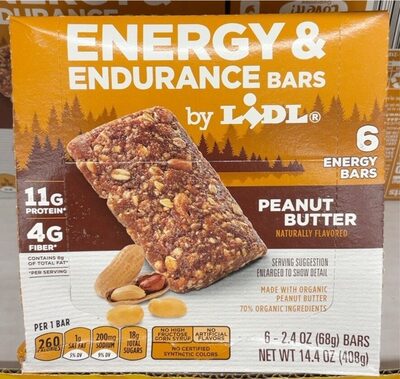
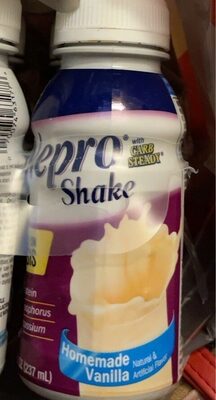
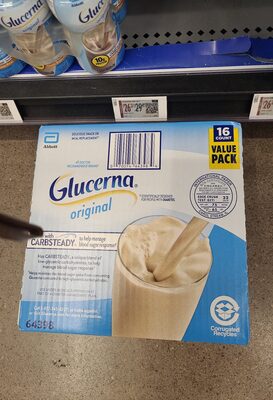
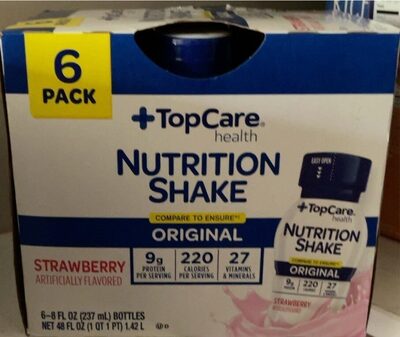
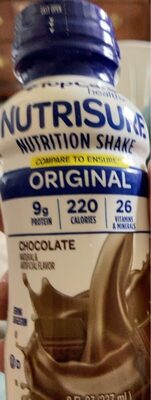
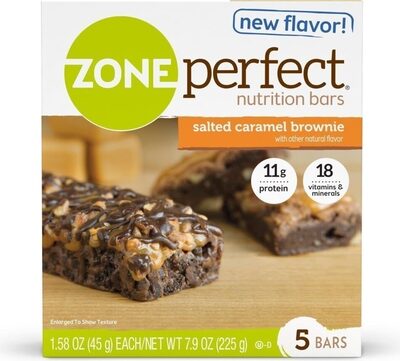
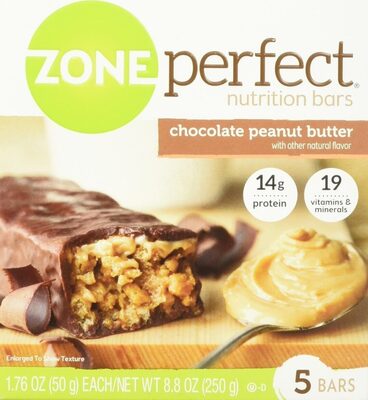
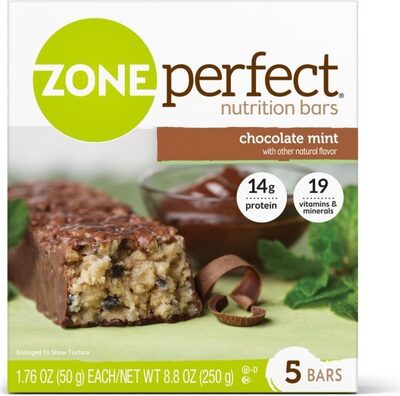
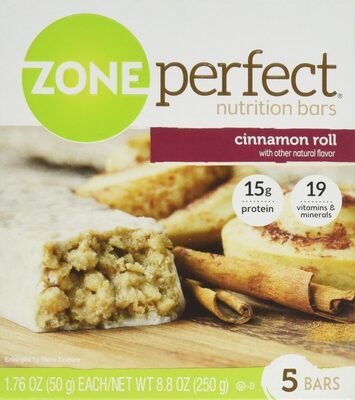
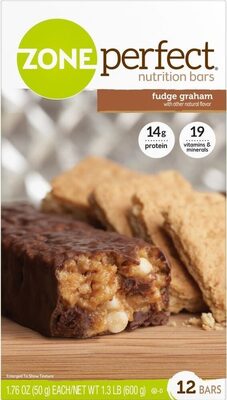
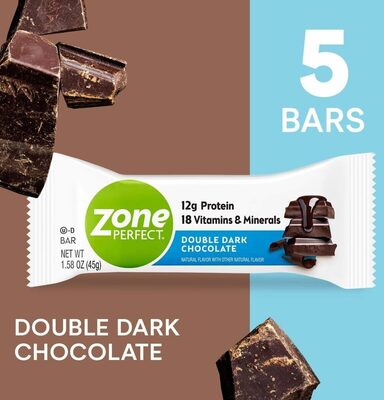
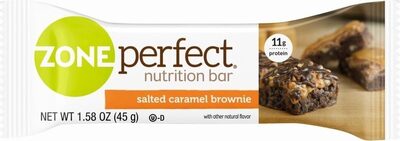
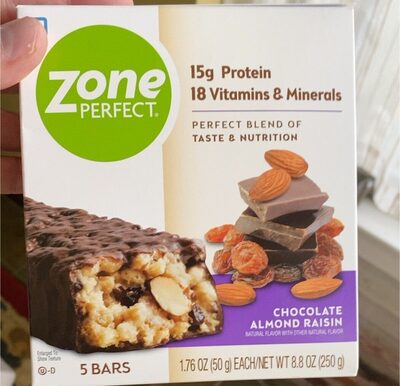
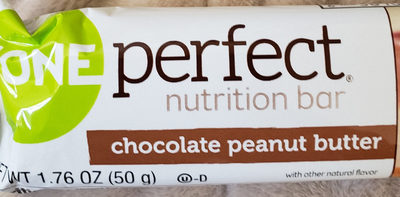 Zoneperfect
Nutrition Bar
High in saturated fat — 20% DV per serving
420kcal
28Protein
14Fat
48Carbs
Learn more
Auto-generated content. This description was generated automatically and is pending editorial review. Inaccuracies are possible. Found a mistake? Contact us.