Chromium Citrate
What is Chromium Citrate?
Chromium citrate is a compound that combines chromium, an essential trace mineral, with citric acid. It is often produced synthetically for use as a dietary supplement or food additive. Chromium is naturally found in many foods.
Is Chromium Citrate vegan?
Chromium Citrate is not animal-derived. Products that contain it can still include other animal-derived ingredients, so check the full ingredient list.
Is Chromium Citrate gluten-free?
It does not contain gluten.
Is Chromium Citrate a major allergen?
Chromium citrate is not derived from any of the nine FDA major allergens.
What is Chromium Citrate used for?
Chromium citrate is primarily added to foods as a source of chromium, an essential nutrient.
Is Chromium Citrate safe?
In the US, chromium citrate is generally recognized as safe (GRAS) by the FDA when used as a nutrient supplement.
Why it's used
Chromium citrate is primarily added to foods as a source of chromium, an essential nutrient. It is often found in dietary supplements, fortified foods like meal replacements, and energy bars. Its purpose is to help boost the chromium content of the product.
Health notes
In the US, chromium citrate is generally recognized as safe (GRAS) by the FDA when used as a nutrient supplement. The World Health Organization (WHO) and other international bodies have evaluated chromium compounds. Evidence suggests chromium plays a role in carbohydrate and fat metabolism. However, research on its effectiveness for specific health outcomes like blood sugar control in the general population is ongoing and sometimes mixed.
Allergen info
Chromium citrate is not derived from any of the nine FDA major allergens. It does not contain gluten.
Foods that contain Chromium Citrate
Compare products →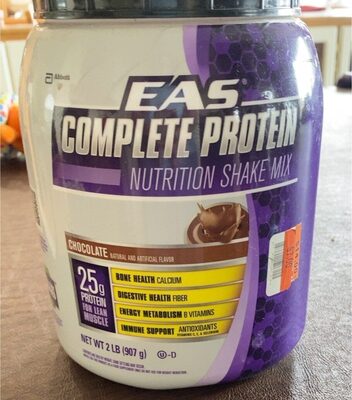
Learn more
Auto-generated content. This description was generated automatically and is pending editorial review. Inaccuracies are possible. Found a mistake? Contact us.