Citric Acid Lactic Acid Starter Culture
What is Citric Acid Lactic Acid Starter Culture?
Citric acid is a weak organic acid found naturally in citrus fruits. Lactic acid is also naturally occurring, produced by bacteria during fermentation. Starter cultures are specific microorganisms, often bacteria, used to initiate or control fermentation processes in food production.
Is Citric Acid Lactic Acid Starter Culture gluten-free?
Not a gluten source.
Is Citric Acid Lactic Acid Starter Culture a major allergen?
Citric acid and lactic acid are not among the nine major allergens.
What is Citric Acid Lactic Acid Starter Culture used for?
These ingredients are often used together to control acidity and enhance flavor in foods like pizza, pepperoni, and salami.
Is Citric Acid Lactic Acid Starter Culture safe?
Citric acid and lactic acid are generally recognized as safe (GRAS) by the FDA for use in food.
Why it's used
These ingredients are often used together to control acidity and enhance flavor in foods like pizza, pepperoni, and salami. Citric acid can act as a preservative and flavor enhancer, while lactic acid contributes to the characteristic tangy taste of fermented meats and cheeses. Starter cultures are essential for developing the desired texture and flavor profiles in these products.
Health notes
Citric acid and lactic acid are generally recognized as safe (GRAS) by the FDA for use in food. They are naturally present in many foods and are metabolic byproducts in the human body. International bodies like JECFA and EFSA have evaluated these substances. Evidence does not suggest adverse health effects from typical dietary intake.
Allergen info
Citric acid and lactic acid are not among the nine major allergens. Starter cultures may be derived from sources like milk, but are typically highly purified, and the final product is not considered allergenic. Not a gluten source.
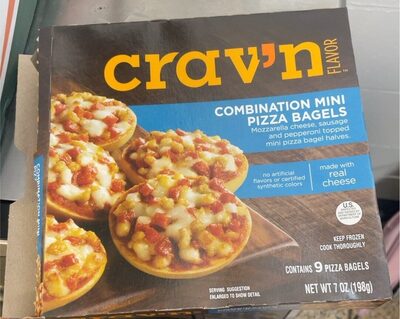
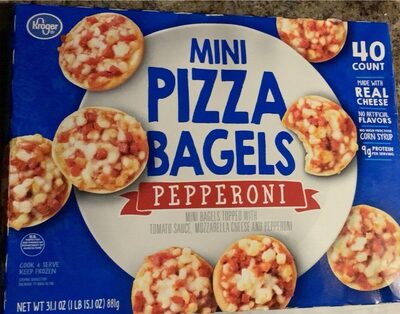
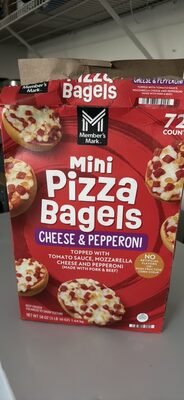
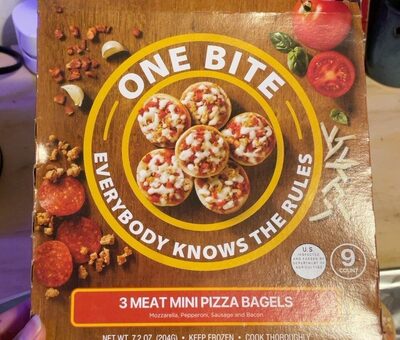
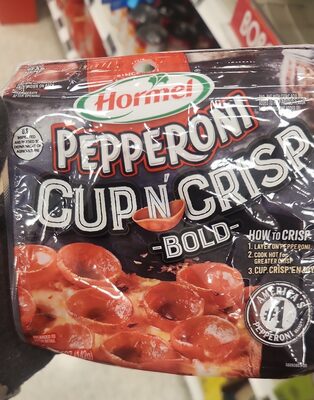
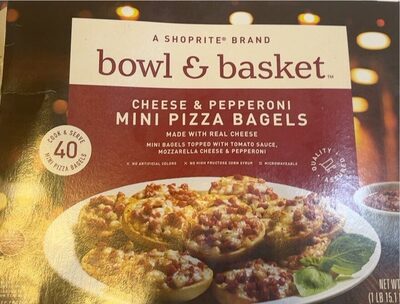
Foods that contain Citric Acid Lactic Acid Starter Culture
Compare products →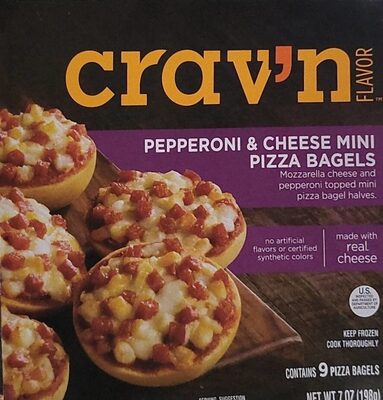
Auto-generated content. This description was generated automatically and is pending editorial review. Inaccuracies are possible. Found a mistake? Contact us.