Citric Acid Sea Salt
Auto-generated content. This description was generated automatically and is pending editorial review. Inaccuracies are possible. Found a mistake? Contact us.
What it is
Citric acid is a weak organic acid found naturally in citrus fruits like lemons and limes. It is commercially produced through the fermentation of a sugar source, typically from corn or other plant starches, using a mold called Aspergillus niger. The resulting citric acid is then purified and crystallized.
Why it's used
Manufacturers add citric acid to foods and beverages primarily to enhance flavor by providing a tart or sour taste. It also acts as a preservative by inhibiting the growth of bacteria and mold, and as an antioxidant to prevent spoilage. It is commonly found in candies, jams, jellies, soft drinks, and processed fruits and vegetables.
Health notes
Citric acid is generally recognized as safe (GRAS) by the U.S. Food and Drug Administration (FDA) for use in food. International bodies like the Joint FAO/WHO Expert Committee on Food Additives (JECFA) and the European Food Safety Authority (EFSA) have evaluated citric acid and found it to be safe for consumption. At typical dietary levels, it is not associated with adverse health effects. There are no significant controversies regarding its safety.
Allergen info
Citric acid is not derived from any of the nine major allergens recognized by the FDA. It does not contain gluten.
Products containing Citric Acid Sea Salt
Compare products →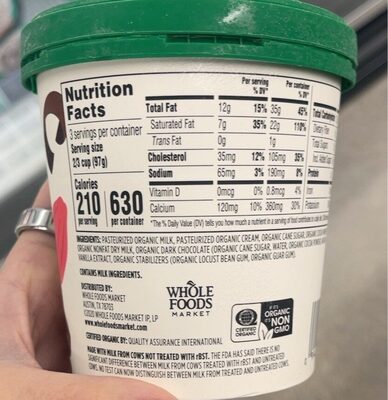 Whole Foods Market, Inc.
Chocolate Ice Cream, Chocolate
High in saturated fat — 35% DV per serving
High in added sugars — 32% DV per serving
216kcal
5.2Protein
12.4Fat
22.7Carbs
Big Y Foods, Inc.
BBQ Brisket, BBQ
High in sodium — 48% DV per serving
High in saturated fat — 30% DV per serving
High in cholesterol — 32% DV per serving
230kcal
15.0Protein
15.9Fat
5.3Carbs
Whole Foods Market, Inc.
Chocolate Ice Cream, Chocolate
High in saturated fat — 35% DV per serving
High in added sugars — 32% DV per serving
216kcal
5.2Protein
12.4Fat
22.7Carbs
Big Y Foods, Inc.
BBQ Brisket, BBQ
High in sodium — 48% DV per serving
High in saturated fat — 30% DV per serving
High in cholesterol — 32% DV per serving
230kcal
15.0Protein
15.9Fat
5.3Carbs