Citric Acid Sodium Citrate
Auto-generated content. This description was generated automatically and is pending editorial review. Inaccuracies are possible. Found a mistake? Contact us.
What it is
Citric acid is a weak organic acid found naturally in citrus fruits. Sodium citrate is the salt form of citric acid. Both are produced commercially through the fermentation of carbohydrates, typically from corn, using a specific strain of the mold Aspergillus niger.
Why it's used
Citric acid and sodium citrate are widely used as acidity regulators, flavor enhancers, and preservatives in foods and beverages. They provide a tart or sour taste and help to balance flavors. They are commonly found in candies, jams, jellies, sodas, and processed foods.
Health notes
In the U.S., citric acid and sodium citrate are generally recognized as safe (GRAS) by the FDA. They are metabolized by the body and do not accumulate. International bodies like JECFA have evaluated citric acid and set an acceptable daily intake. While generally considered safe, very high intakes could potentially cause tooth enamel erosion due to their acidity.
Allergen info
Citric acid and sodium citrate are not derived from any of the 9 FDA major allergens. They do not contain gluten.
Products containing Citric Acid Sodium Citrate
Compare products →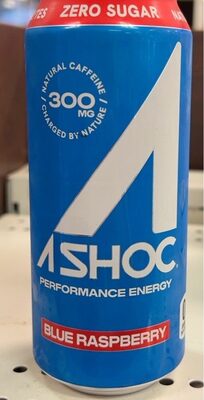 A SHOC BEVERAGE, LLC
Blue Raspberry Energy Drink, Blue Raspberry
2kcal
0Protein
0Fat
0.2Carbs
Frankford Candy, LLC
Buildable Gummy Candy Pepperoni Pizza Kit, Buildable Gummy Candy
High in added sugars — 50% DV per serving
353kcal
5.9Protein
0Fat
82.3Carbs
A SHOC BEVERAGE, LLC
Blue Raspberry Energy Drink, Blue Raspberry
2kcal
0Protein
0Fat
0.2Carbs
Frankford Candy, LLC
Buildable Gummy Candy Pepperoni Pizza Kit, Buildable Gummy Candy
High in added sugars — 50% DV per serving
353kcal
5.9Protein
0Fat
82.3Carbs