Clam Flavor
What is Clam Flavor?
Clam flavor is a flavoring agent designed to mimic the taste and aroma of clams. It can be derived from real clams through extraction processes or created synthetically using various food-grade chemicals.
Is Clam Flavor a major allergen?
If derived from real clams, clam flavor would be considered a shellfish allergen.
What is Clam Flavor used for?
Manufacturers use clam flavor to impart a seafood taste to a variety of products without using actual shellfish.
Is Clam Flavor safe?
Clam flavor is generally recognized as safe (GRAS) by the FDA when used as a flavoring agent.
Why it's used
Manufacturers use clam flavor to impart a seafood taste to a variety of products without using actual shellfish. It is commonly found in soups, sauces, and snack foods where a savory, oceanic profile is desired.
Health notes
Clam flavor is generally recognized as safe (GRAS) by the FDA when used as a flavoring agent. Regulatory bodies like JECFA have evaluated many flavoring substances, but specific evaluations for 'clam flavor' as a general category are not always detailed. At typical consumption levels, it is not associated with adverse health effects. There are no widespread controversies regarding its use.
Allergen info
If derived from real clams, clam flavor would be considered a shellfish allergen. If produced synthetically, it is not a major allergen. Consumers with shellfish allergies should check product labels for specific ingredient sourcing.
Foods that contain Clam Flavor
Compare products →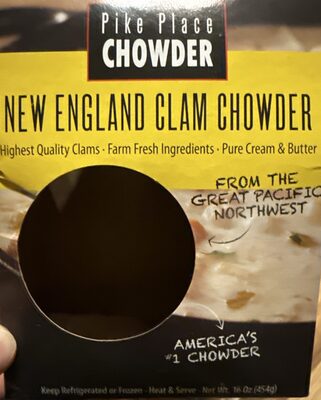
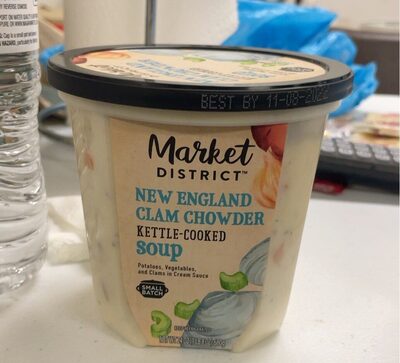
Learn more
Auto-generated content. This description was generated automatically and is pending editorial review. Inaccuracies are possible. Found a mistake? Contact us.