Cocoa Powder Treated With Alkali
Auto-generated content. This description was generated automatically and is pending editorial review. Inaccuracies are possible. Found a mistake? Contact us.
What it is
Cocoa powder treated with alkali, also called Dutch-process cocoa, is made by treating natural cocoa powder with a food-grade alkali solution. This process neutralizes the cocoa's natural acidity, resulting in a darker color and a milder, smoother chocolate flavor compared to natural cocoa powder.
Why it's used
Alkalizing cocoa powder reduces its bitterness and makes it less acidic, which can affect how it interacts with leavening agents in baking. Manufacturers use it to achieve a richer, darker color and a smoother, less bitter chocolate taste in products like baked goods, ice cream, and chocolate confections.
Health notes
Cocoa powder treated with alkali is generally recognized as safe (GRAS) by the FDA. The alkalization process may reduce the content of certain flavanols, which are antioxidants found in natural cocoa. Regulatory bodies like JECFA and EFSA have evaluated cocoa and cocoa products, generally considering them safe for consumption. Research on the health effects of cocoa consumption is ongoing, with some studies suggesting potential benefits from flavanols, while others focus on the effects of added sugars and fats in chocolate products.
Allergen info
Cocoa powder is not derived from any of the 9 FDA major allergens. It does not contain gluten.
Products containing Cocoa Powder Treated With Alkali
Compare products →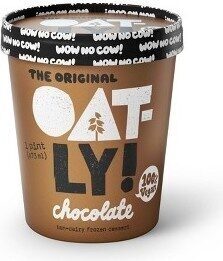 Oatly, Inc.
Chocolate Non-Dairy Frozen Dessert, Chocolate
High in saturated fat — 35% DV per serving
High in added sugars — 38% DV per serving
210kcal
2Protein
11Fat
24Carbs
Swedish-Style Triple Choklad Flavor Frozen Dessert
High in saturated fat — 35% DV per serving
197kcal
4.9Protein
16.4Fat
26.2Carbs
Oatly, Inc.
Chocolate Non-Dairy Frozen Dessert, Chocolate
High in saturated fat — 35% DV per serving
High in added sugars — 38% DV per serving
210kcal
2Protein
11Fat
24Carbs
Swedish-Style Triple Choklad Flavor Frozen Dessert
High in saturated fat — 35% DV per serving
197kcal
4.9Protein
16.4Fat
26.2Carbs
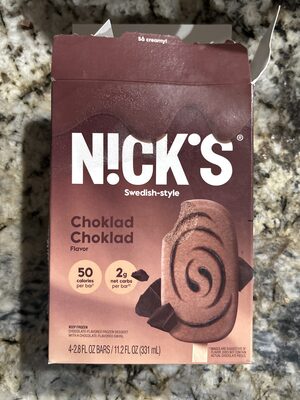 Swedish-Style Choklad Choklad Flavor Frozen Dessert
85kcal
3.4Protein
5.9Fat
22.0Carbs
Oatly, Inc.
Chocolate Non-Dairy Frozen Dessert Mini Cups, Chocolate
High in saturated fat — 23% DV per serving
High in added sugars — 24% DV per serving
197kcal
1.5Protein
10.6Fat
25.8Carbs
Terratek Inc.
Minecraft Peant Choklad Glowdust Flavor Ice Cream, Peant
High in saturated fat — 30% DV per serving
120kcal
4Protein
8Fat
25Carbs
Swedish-Style Choklad Choklad Flavor Frozen Dessert
85kcal
3.4Protein
5.9Fat
22.0Carbs
Oatly, Inc.
Chocolate Non-Dairy Frozen Dessert Mini Cups, Chocolate
High in saturated fat — 23% DV per serving
High in added sugars — 24% DV per serving
197kcal
1.5Protein
10.6Fat
25.8Carbs
Terratek Inc.
Minecraft Peant Choklad Glowdust Flavor Ice Cream, Peant
High in saturated fat — 30% DV per serving
120kcal
4Protein
8Fat
25Carbs
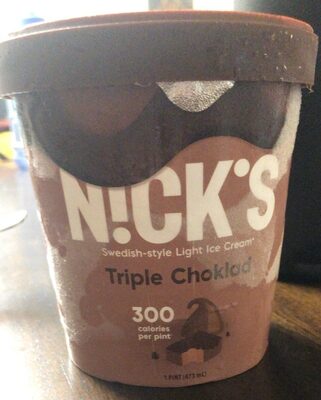 Luthman Backlund Foods USA Inc., aka LUB Foods USA Inc
Triple Choklad Swedish-Style Light Ice Cream, Triple Choklad
114kcal
5.7Protein
5Fat
25.7Carbs
Luthman Backlund Foods USA Inc., aka LUB Foods USA Inc
Triple Choklad Swedish-Style Light Ice Cream, Triple Choklad
114kcal
5.7Protein
5Fat
25.7Carbs
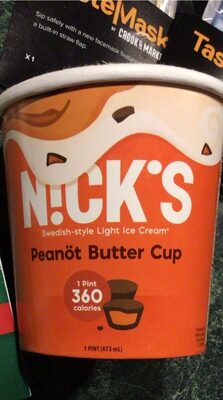 Luthman Backlund Foods USA Inc., aka LUB Foods USA Inc
Peanut Butter Cup Swedish-Style Light Ice Cream, Peanut Butter Cup
125kcal
5.6Protein
6.2Fat
26.4Carbs
Luthman Backlund Foods USA Inc., aka LUB Foods USA Inc
Peanut Butter Cup Swedish-Style Light Ice Cream, Peanut Butter Cup
125kcal
5.6Protein
6.2Fat
26.4Carbs