Coconut Oil And Safflower Oil
What is Coconut Oil And Safflower Oil?
Coconut oil is a plant-based oil extracted from the meat of coconuts. Safflower oil is a vegetable oil obtained from the seeds of the safflower plant. Both are produced by pressing the raw material to extract the oil.
Is Coconut Oil And Safflower Oil vegan?
Coconut Oil And Safflower Oil is not animal-derived. Products that contain it can still include other animal-derived ingredients, so check the full ingredient list.
Is Coconut Oil And Safflower Oil a major allergen?
Coconut is classified as a tree nut allergen by the FDA.
What is Coconut Oil And Safflower Oil used for?
These oils are used in food products primarily as sources of fat, contributing to texture, flavor, and cooking properties.
Is Coconut Oil And Safflower Oil safe?
Coconut oil and safflower oil are generally recognized as safe (GRAS) by the U.S. Food and Drug Administration (FDA) for use in food.
Why it's used
These oils are used in food products primarily as sources of fat, contributing to texture, flavor, and cooking properties. They can be found in a variety of foods, including spreads, baked goods, and prepared meals.
Health notes
Coconut oil and safflower oil are generally recognized as safe (GRAS) by the U.S. Food and Drug Administration (FDA) for use in food. Coconut oil is high in saturated fat; the 2025-2030 Dietary Guidelines for Americans recommend keeping saturated fat intake to less than 10% of daily calories. Safflower oil is rich in unsaturated fats. Both are common dietary fats, and their safety at typical consumption levels is well-established.
Allergen info
Coconut is classified as a tree nut allergen by the FDA. Safflower is not considered a major allergen.
Foods that contain Coconut Oil And Safflower Oil
Compare products →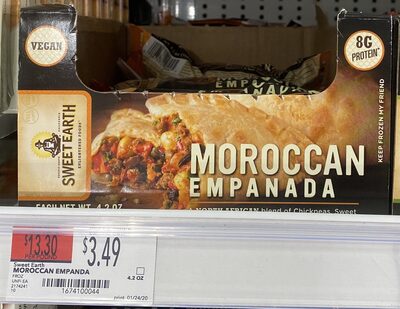
Learn more
Auto-generated content. This description was generated automatically and is pending editorial review. Inaccuracies are possible. Found a mistake? Contact us.