Coconut Oil Powder
What is Coconut Oil Powder?
Coconut oil powder is a dried form of coconut oil, often made by spray-drying the oil with a carrier ingredient like tapioca maltodextrin or acacia fiber. This process turns the liquid oil into a fine, dissolvable powder.
Is Coconut Oil Powder vegan?
Coconut Oil Powder is not animal-derived. Products that contain it can still include other animal-derived ingredients, so check the full ingredient list.
Is Coconut Oil Powder a major allergen?
The FDA classifies coconut as a tree nut for food labeling purposes, meaning products containing it must declare it as an allergen.
What is Coconut Oil Powder used for?
Manufacturers add coconut oil powder to products to provide a source of fat, improve texture, and deliver a creamy mouthfeel, especially in powdered beverages, protein mixes, and baked goods.
Is Coconut Oil Powder safe?
Coconut oil is generally recognized as safe (GRAS) by the FDA.
Why it's used
Manufacturers add coconut oil powder to products to provide a source of fat, improve texture, and deliver a creamy mouthfeel, especially in powdered beverages, protein mixes, and baked goods. It also contributes a mild coconut flavor.
Health notes
Coconut oil is generally recognized as safe (GRAS) by the FDA. It is high in saturated fat, and the 2025-2030 Dietary Guidelines for Americans recommend limiting saturated fat intake to less than 10% of daily calories. While some research suggests potential benefits, other studies indicate that high intake of saturated fats can raise LDL ("bad") cholesterol levels. JECFA and EFSA have not set specific acceptable daily intakes for coconut oil as a food ingredient.
Allergen info
The FDA classifies coconut as a tree nut for food labeling purposes, meaning products containing it must declare it as an allergen.
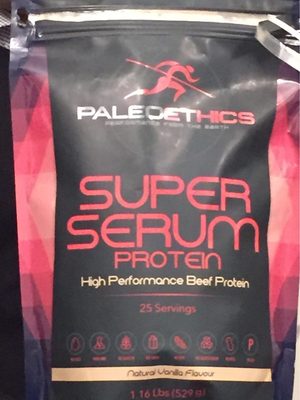
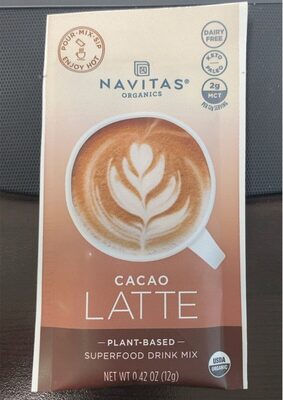
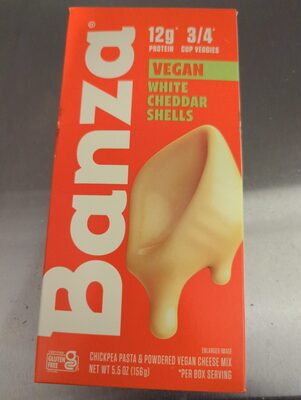
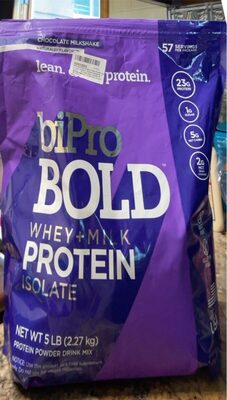
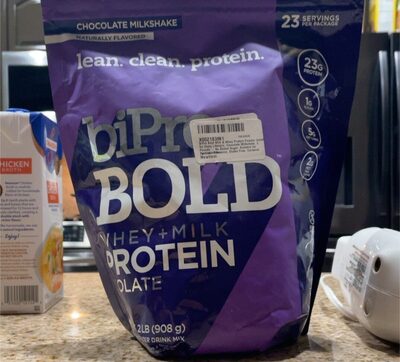
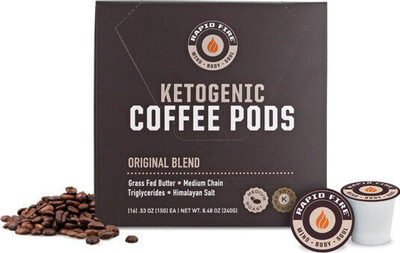
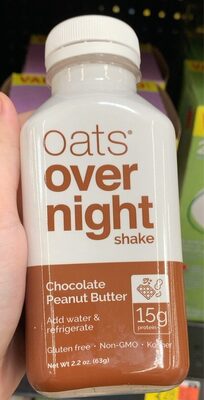
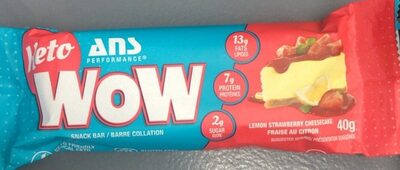
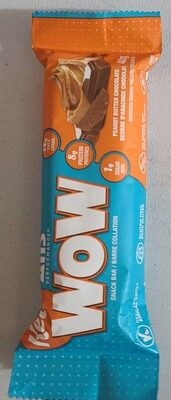
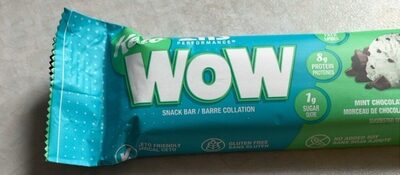
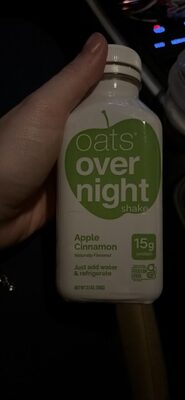
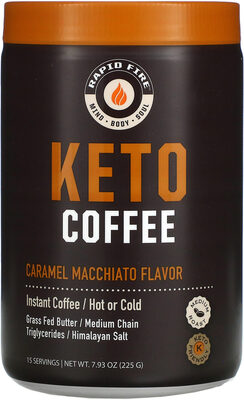
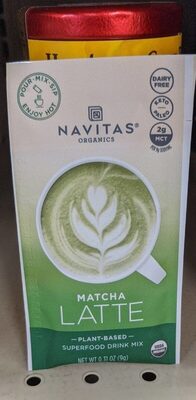
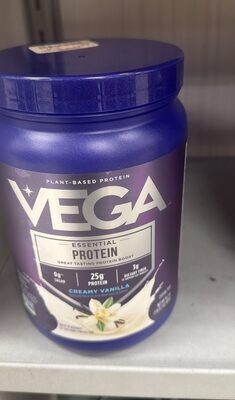
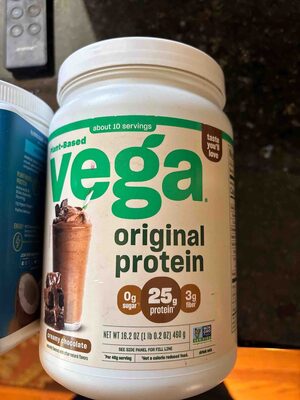
Foods that contain Coconut Oil Powder
Compare products →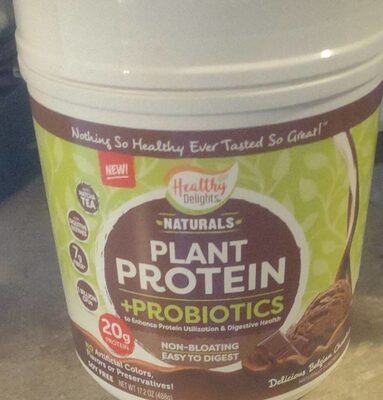



Learn more
Auto-generated content. This description was generated automatically and is pending editorial review. Inaccuracies are possible. Found a mistake? Contact us.