Coconut Tree Sap
What is Coconut Tree Sap?
Coconut tree sap, also known as coconut flower nectar or coconut blossom sap, is a liquid tapped from the flower buds of the coconut palm tree. The sap is collected and can be used fresh or processed into products like sugar, syrup, or vinegar.
Is Coconut Tree Sap vegan?
Coconut Tree Sap is not animal-derived. Products that contain it can still include other animal-derived ingredients, so check the full ingredient list.
Is Coconut Tree Sap a major allergen?
Coconut is botanically classified as a tree nut by the FDA.
What is Coconut Tree Sap used for?
Coconut tree sap is primarily used as a natural sweetener in a variety of food products.
Is Coconut Tree Sap safe?
Coconut tree sap is generally recognized as safe (GRAS) by the FDA for use as a food ingredient.
Why it's used
Coconut tree sap is primarily used as a natural sweetener in a variety of food products. It is often found in granola bars, energy bars, baked goods, and sauces, where it provides sweetness and a subtle caramel-like flavor.
Health notes
Coconut tree sap is generally recognized as safe (GRAS) by the FDA for use as a food ingredient. It contains some minerals and amino acids, but its primary role in food is as a sweetener. JECFA has evaluated coconut sap and its derivatives, but did not set a numeric limit (ADI not specified). Evidence on its health effects at typical consumption levels is limited.
Allergen info
Coconut is botanically classified as a tree nut by the FDA. However, coconut is not one of the major allergens. Coconut tree sap is not derived from any of the 9 major allergens.
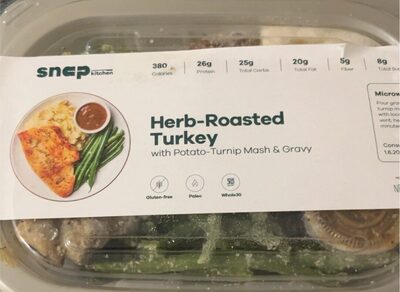
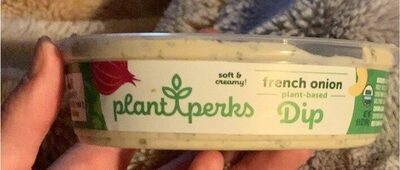
Foods that contain Coconut Tree Sap
Compare products →
Learn more
Auto-generated content. This description was generated automatically and is pending editorial review. Inaccuracies are possible. Found a mistake? Contact us.