Coenzyme Q-10
What is Coenzyme Q-10?
Coenzyme Q-10 (CoQ10) is a vitamin-like substance found naturally in every cell of the body. It plays a key role in energy production and acts as an antioxidant. CoQ10 is produced naturally by the body, but can also be synthesized for use in supplements and fortified foods.
Is Coenzyme Q-10 vegan?
Coenzyme Q-10 is not animal-derived. Products that contain it can still include other animal-derived ingredients, so check the full ingredient list.
Is Coenzyme Q-10 gluten-free?
It does not contain gluten.
Is Coenzyme Q-10 a major allergen?
Coenzyme Q-10 is not derived from any of the 9 FDA major allergens.
What is Coenzyme Q-10 used for?
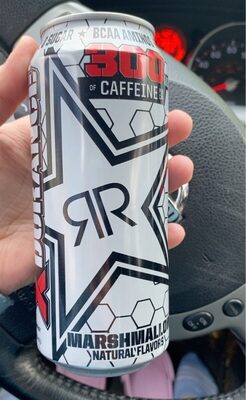
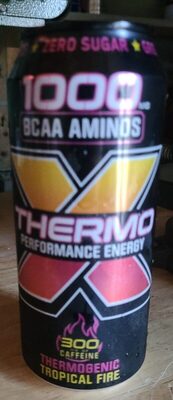
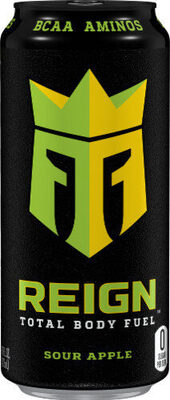
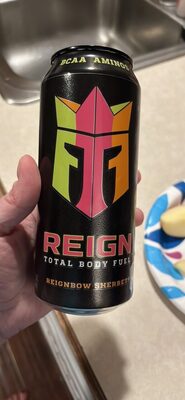
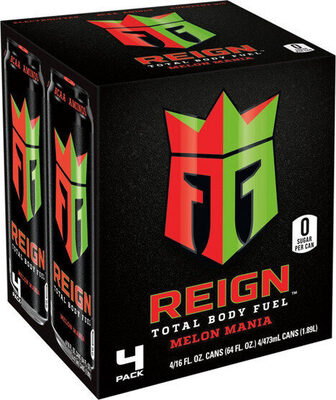
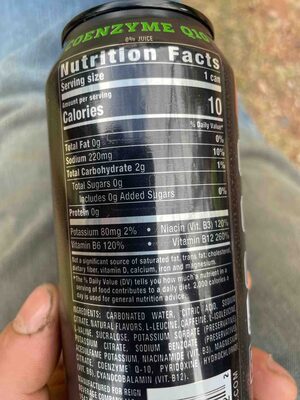
CoQ10 is most often added to energy drinks, sports drinks, and protein supplements.
Is Coenzyme Q-10 safe?
CoQ10 is generally recognized as safe (GRAS) by the FDA for use in certain food products.
Why it's used
CoQ10 is most often added to energy drinks, sports drinks, and protein supplements. It is included for its potential role in energy metabolism and as an antioxidant, though its effectiveness in these applications in food products is not extensively studied.
Health notes
CoQ10 is generally recognized as safe (GRAS) by the FDA for use in certain food products. The Joint FAO/WHO Expert Committee on Food Additives (JECFA) has evaluated CoQ10, but did not set a numeric acceptable daily intake (ADI). Research on the benefits of CoQ10 in food products is ongoing, and while it is studied for various health purposes, evidence for significant health impacts from typical food levels is limited.
Allergen info
Coenzyme Q-10 is not derived from any of the 9 FDA major allergens. It does not contain gluten.
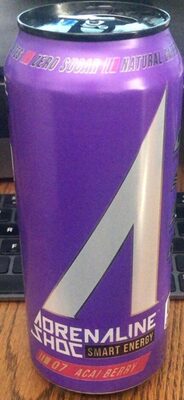
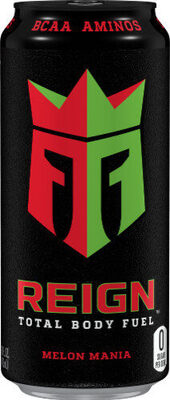
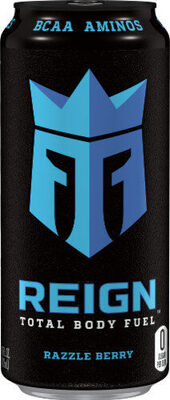
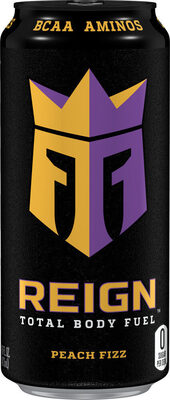
Foods that contain Coenzyme Q-10
Compare products →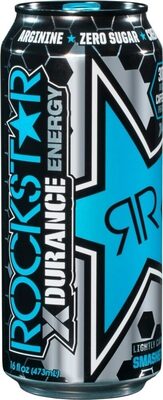





Learn more
Auto-generated content. This description was generated automatically and is pending editorial review. Inaccuracies are possible. Found a mistake? Contact us.