Cold-pressed Coconut Oil
What is Cold-pressed Coconut Oil?
Coconut oil is a fat extracted from the meat of mature coconuts. Cold-pressed coconut oil is made by pressing the coconut meat without using high heat, which is believed to preserve more of the oil's natural flavor and nutrients.
Is Cold-pressed Coconut Oil vegan?
Cold-pressed Coconut Oil is not animal-derived. Products that contain it can still include other animal-derived ingredients, so check the full ingredient list.
Is Cold-pressed Coconut Oil a major allergen?
Coconut is not considered one of the FDA's nine major allergens.
What is Cold-pressed Coconut Oil used for?
Manufacturers use coconut oil as a cooking fat and as an ingredient in baked goods and confectionery.
Is Cold-pressed Coconut Oil safe?
Coconut oil is generally recognized as safe (GRAS) by the FDA for use in food.
Why it's used
Manufacturers use coconut oil as a cooking fat and as an ingredient in baked goods and confectionery. Its solid-to-liquid state at room temperature makes it useful in products like cookies and frozen desserts.
Health notes
Coconut oil is generally recognized as safe (GRAS) by the FDA for use in food. It is primarily composed of saturated fats, particularly lauric acid. While some research suggests potential benefits of lauric acid, such as antimicrobial properties, other studies indicate that high intake of saturated fats can raise LDL cholesterol levels, a risk factor for heart disease. The WHO and other health organizations recommend limiting saturated fat intake.
Allergen info
Coconut is not considered one of the FDA's nine major allergens. It is botanically a fruit, not a tree nut, though some people with tree nut allergies may also react to coconut.
Foods that contain Cold-pressed Coconut Oil
Compare products →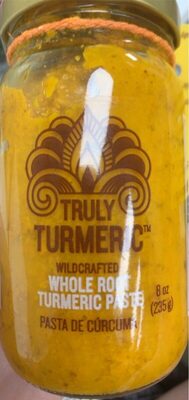
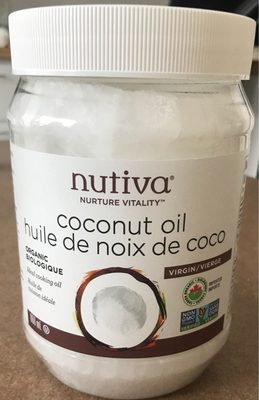
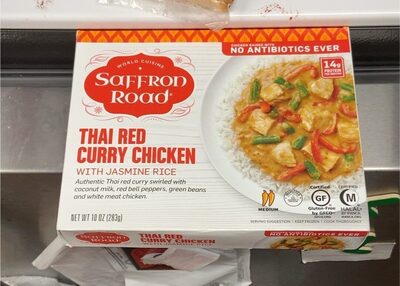
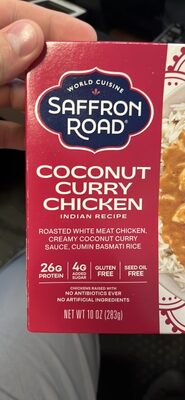
Learn more
Auto-generated content. This description was generated automatically and is pending editorial review. Inaccuracies are possible. Found a mistake? Contact us.