Cold Pressed Olive Oil
What is Cold Pressed Olive Oil?
Cold-pressed olive oil is a type of olive oil made by mechanically pressing olives without using heat or chemicals. This method is believed to preserve more of the natural flavor, aroma, and nutrients of the olives. It is primarily produced in Mediterranean countries.
Is Cold Pressed Olive Oil vegan?
Cold Pressed Olive Oil is not animal-derived. Products that contain it can still include other animal-derived ingredients, so check the full ingredient list.
Is Cold Pressed Olive Oil gluten-free?
It is not derived from any of the nine FDA major allergens, nor does it contain gluten.
Is Cold Pressed Olive Oil a major allergen?
Not a major allergen.
What is Cold Pressed Olive Oil used for?
Manufacturers use cold-pressed olive oil as a cooking oil, a salad dressing ingredient, and a finishing oil for dishes.
Is Cold Pressed Olive Oil safe?
Cold-pressed olive oil is generally recognized as safe (GRAS) by the FDA for use in food.
Why it's used
Manufacturers use cold-pressed olive oil as a cooking oil, a salad dressing ingredient, and a finishing oil for dishes. Its rich flavor makes it a popular choice in Mediterranean cuisine and for adding taste to a variety of foods.
Health notes
Cold-pressed olive oil is generally recognized as safe (GRAS) by the FDA for use in food. It is a source of monounsaturated fats, which are considered healthy fats. JECFA has evaluated olive oil and did not set a numeric limit (ADI not specified). Research suggests that regular consumption of olive oil, as part of a balanced diet, may be associated with certain health benefits, though more research is ongoing.
Allergen info
Not a major allergen. It is not derived from any of the nine FDA major allergens, nor does it contain gluten.
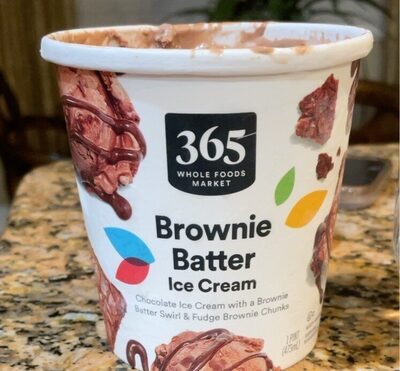
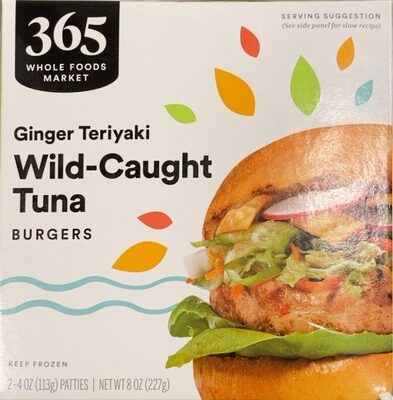
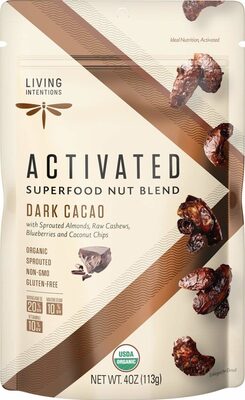
Foods that contain Cold Pressed Olive Oil
Compare products →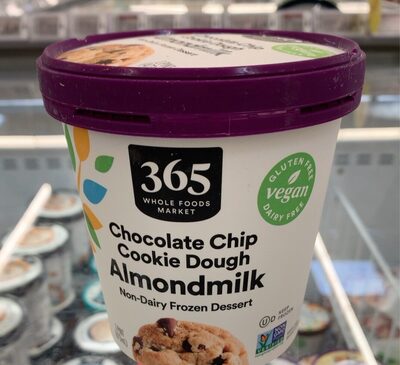
Learn more
Auto-generated content. This description was generated automatically and is pending editorial review. Inaccuracies are possible. Found a mistake? Contact us.