Collagen Casing
What is Collagen Casing?
Collagen casings are edible tubes made from collagen, a protein found in animal connective tissues, primarily from cattle and pigs. The collagen is extracted, purified, and then formed into a tubular shape. These casings are often used as a substitute for natural animal casings in processed meats.
Is Collagen Casing vegan?
No. Collagen Casing is animal-derived, so it is not vegan.
Is Collagen Casing gluten-free?
They do not contain gluten.
Is Collagen Casing a major allergen?
Collagen casings are derived from animal sources and are not a major allergen.
What is Collagen Casing used for?
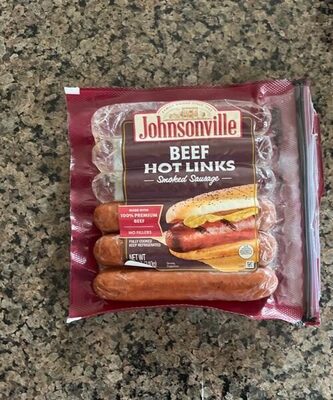
Collagen casings are used in the production of sausages, hot dogs, and pepperoni.
Is Collagen Casing safe?
Collagen casings are generally recognized as safe (GRAS) by the FDA for use in food.
Why it's used
Collagen casings are used in the production of sausages, hot dogs, and pepperoni. They provide a consistent shape and texture to processed meats, and their permeability allows for smoking and drying processes. Manufacturers choose them for their uniformity and ease of handling during high-speed production.
Health notes
Collagen casings are generally recognized as safe (GRAS) by the FDA for use in food. They are primarily composed of protein and are digested like other food proteins. International bodies like JECFA have evaluated collagen and its derivatives. No significant health concerns are associated with their consumption at typical levels.
Allergen info
Collagen casings are derived from animal sources and are not a major allergen. They do not contain gluten.
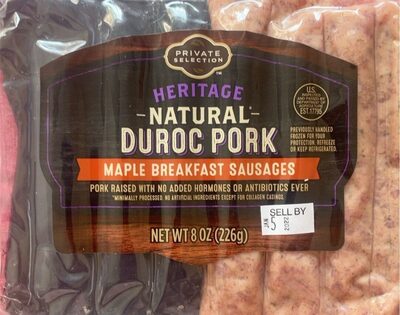
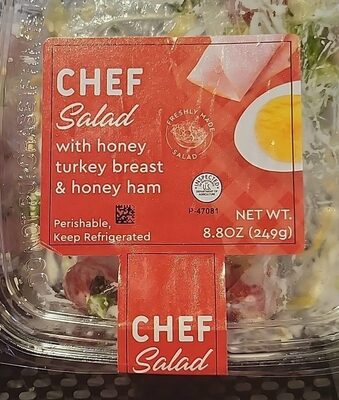
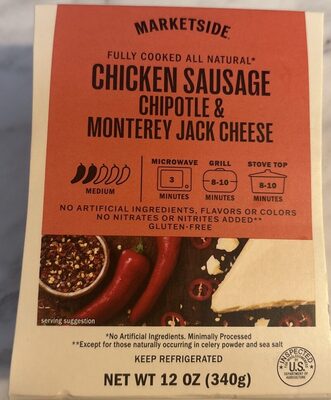
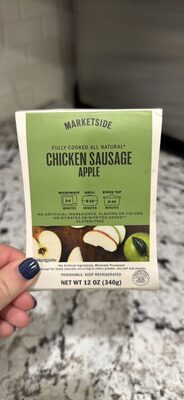
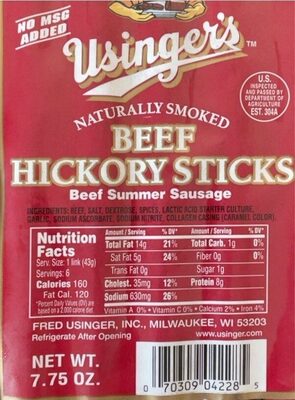
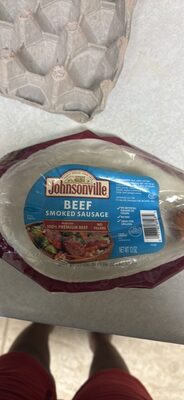
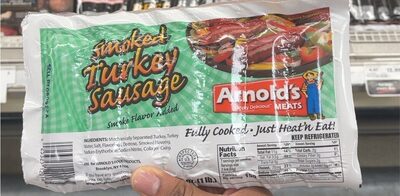
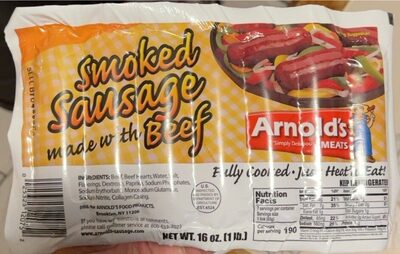
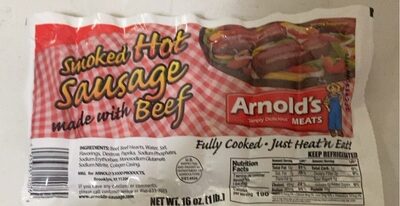
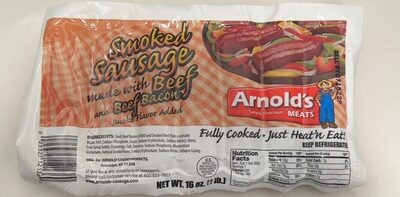
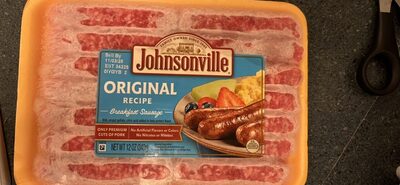
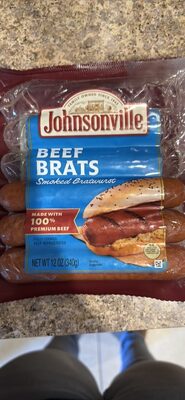
Foods that contain Collagen Casing
Compare products →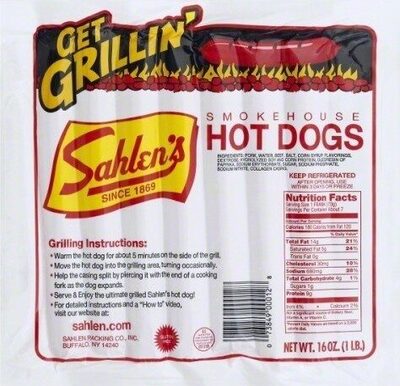



Auto-generated content. This description was generated automatically and is pending editorial review. Inaccuracies are possible. Found a mistake? Contact us.