Collard
What is Collard?
Collard greens are a type of leafy green vegetable in the cabbage family. They are native to the eastern Mediterranean and Asia Minor, but are now grown worldwide. The leaves are large, dark green, and have a slightly bitter, earthy flavor.
Is Collard vegan?
Collard is not animal-derived. Products that contain it can still include other animal-derived ingredients, so check the full ingredient list.
Is Collard gluten-free?
They do not contain gluten.
Is Collard a major allergen?
Collard greens are not one of the nine major allergens recognized by the FDA.
What is Collard used for?
Collard greens are typically cooked and eaten as a side dish, often simmered with spices and other vegetables.
Is Collard safe?
Collard greens are a nutrient-dense food, rich in vitamins A, C, and K, as well as calcium and fiber.
Why it's used
Collard greens are typically cooked and eaten as a side dish, often simmered with spices and other vegetables. They are also used in soups, stews, and casseroles. Manufacturers may include them in packaged salad mixes or prepared meals for added nutrition and color.
Health notes
Collard greens are a nutrient-dense food, rich in vitamins A, C, and K, as well as calcium and fiber. They are not subject to FDA regulation as an additive. Consuming collard greens as part of a balanced diet is generally considered healthy. No specific health claims are made by regulatory bodies regarding collard greens beyond their nutritional value.
Allergen info
Collard greens are not one of the nine major allergens recognized by the FDA. They do not contain gluten.
Foods that contain Collard
Compare products →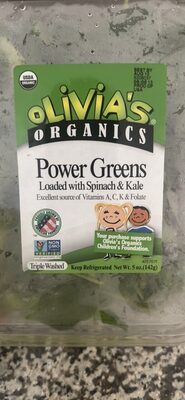
Auto-generated content. This description was generated automatically and is pending editorial review. Inaccuracies are possible. Found a mistake? Contact us.