Confectionary Coating
What is Confectionary Coating?
Confectionery coating is a type of icing or glaze used to cover candies, baked goods, and other food items. It is typically made from sugar, corn syrup, and flavorings, and may also contain fats, emulsifiers, and colorings.
Is Confectionary Coating gluten-free?
Gluten may be present if derived from wheat.
Is Confectionary Coating a major allergen?
Confectionery coating is not a major allergen itself.
What is Confectionary Coating used for?
Manufacturers use confectionery coating to provide a smooth, shiny finish, add sweetness, and protect the food item from moisture.
Is Confectionary Coating safe?
Confectionery coating is generally recognized as safe (GRAS) by the FDA when used as intended.
Why it's used
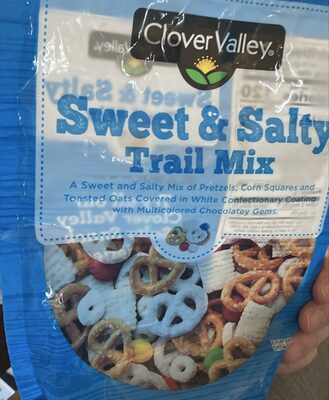
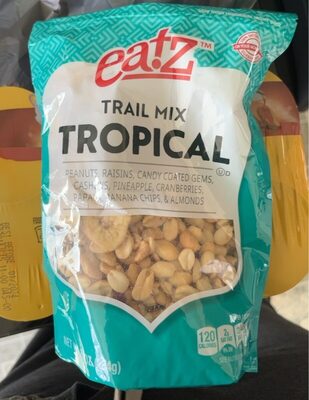
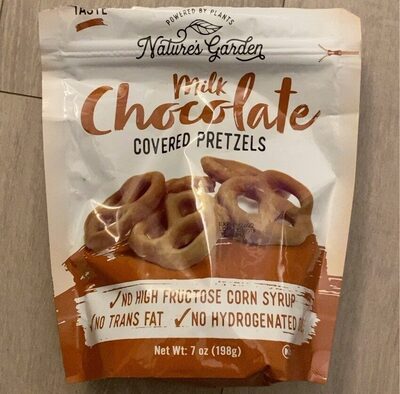
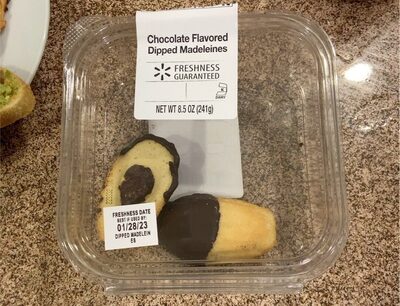
Manufacturers use confectionery coating to provide a smooth, shiny finish, add sweetness, and protect the food item from moisture. It is commonly found on items like chocolate-covered pretzels, cookies, candies, and snack bars.
Health notes
Confectionery coating is generally recognized as safe (GRAS) by the FDA when used as intended. It is primarily composed of sugar, so excessive consumption may contribute to health issues associated with high sugar intake, such as weight gain and dental caries. International bodies like JECFA and EFSA have evaluated many of the individual ingredients commonly found in confectionery coatings.
Allergen info
Confectionery coating is not a major allergen itself. However, depending on the specific ingredients used, it may contain or be cross-contaminated with allergens like milk, soy, or wheat. It is not derived from fish, shellfish, eggs, tree nuts, peanuts, or sesame. Gluten may be present if derived from wheat.
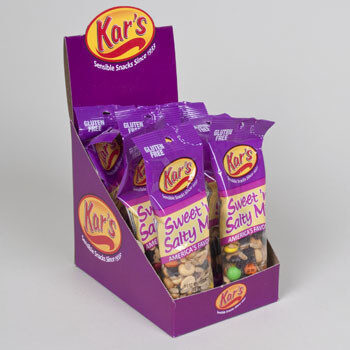
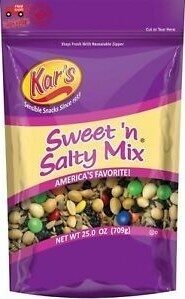
Foods that contain Confectionary Coating
Compare products →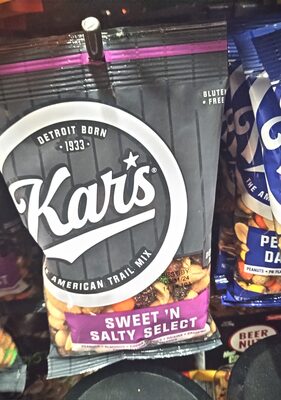
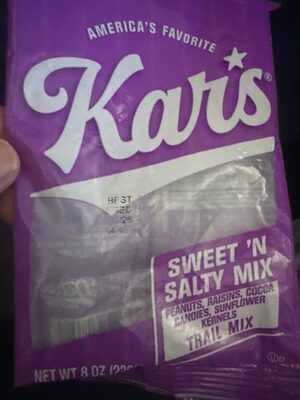
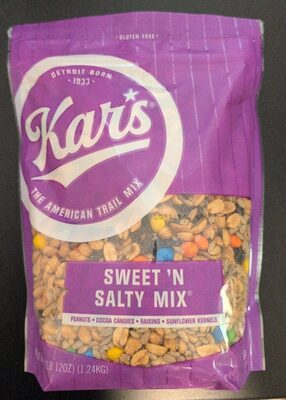
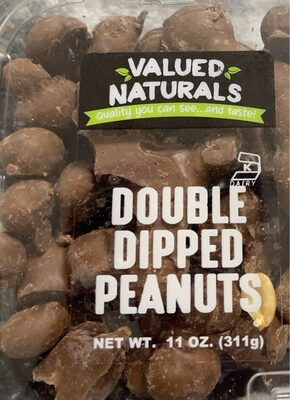
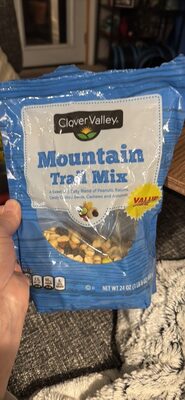
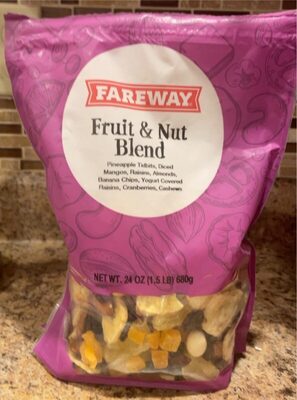
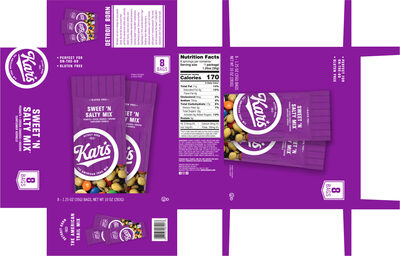

Auto-generated content. This description was generated automatically and is pending editorial review. Inaccuracies are possible. Found a mistake? Contact us.