Contains Less Than 0.5% Of: Mono And Diglycerides
What is Contains Less Than 0.5% Of: Mono And Diglycerides?
Mono and diglycerides are a type of fat that can be made from animal or vegetable sources. They are commonly produced by combining glycerol with fatty acids from fats and oils. This process results in a mixture of mono-, di-, and triglycerides.
Is Contains Less Than 0.5% Of: Mono And Diglycerides gluten-free?
They do not contain gluten.
Is Contains Less Than 0.5% Of: Mono And Diglycerides a major allergen?
Mono and diglycerides are not derived from the major allergens.
What is Contains Less Than 0.5% Of: Mono And Diglycerides used for?
Manufacturers add mono and diglycerides to foods primarily as emulsifiers.
Is Contains Less Than 0.5% Of: Mono And Diglycerides safe?
Mono and diglycerides are generally recognized as safe (GRAS) by the FDA for use in food.
Why it's used
Manufacturers add mono and diglycerides to foods primarily as emulsifiers. They help to mix ingredients that normally don't blend well, like oil and water, creating a smoother texture and preventing separation. They are often found in baked goods, ice cream, margarine, and processed meats.
Health notes
Mono and diglycerides are generally recognized as safe (GRAS) by the FDA for use in food. They are considered a source of energy, like other fats. International bodies like JECFA have evaluated them, and EFSA has also reviewed their safety. Evidence does not suggest adverse health effects at typical dietary intake levels.
Allergen info
Mono and diglycerides are not derived from the major allergens. They do not contain gluten.
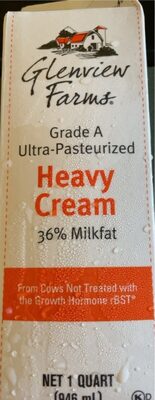
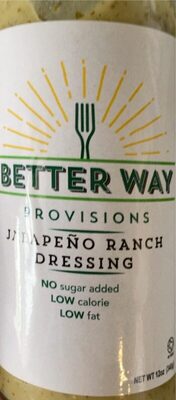
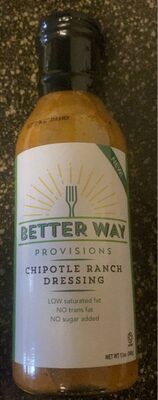
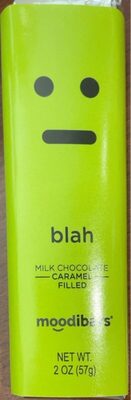
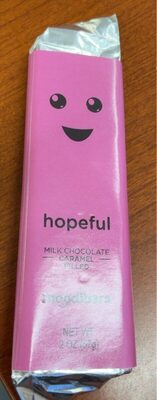
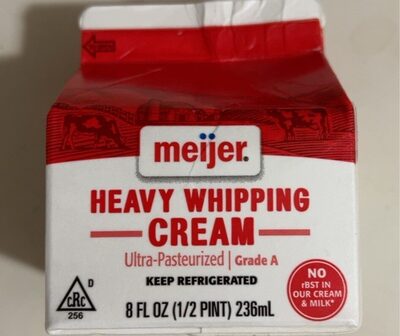
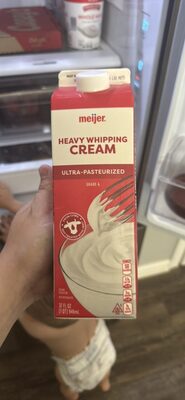
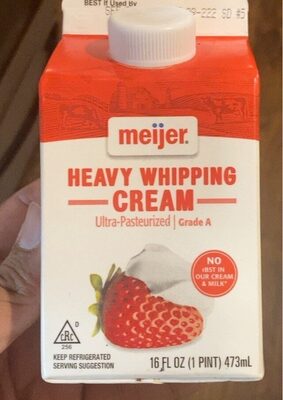
Foods that contain Contains Less Than 0.5% Of: Mono And Diglycerides
Compare products →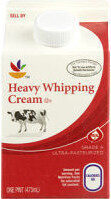
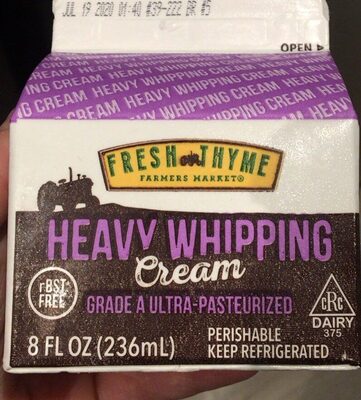
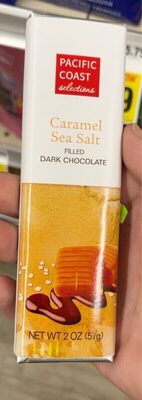
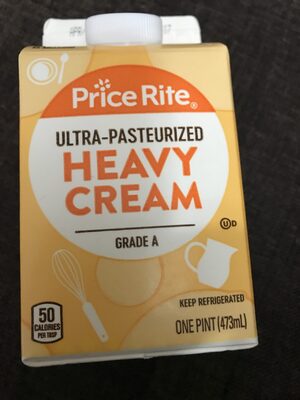
Learn more
Auto-generated content. This description was generated automatically and is pending editorial review. Inaccuracies are possible. Found a mistake? Contact us.