Contains Less Than 1.5% Of Salt
What is Contains Less Than 1.5% Of Salt?
Salt is a mineral primarily made of sodium chloride (NaCl). It is naturally found in seawater and in underground mineral deposits, from which it is extracted through mining or evaporation.
Is Contains Less Than 1.5% Of Salt vegan?
Contains Less Than 1.5% Of Salt is not animal-derived. Products that contain it can still include other animal-derived ingredients, so check the full ingredient list.
Is Contains Less Than 1.5% Of Salt a major allergen?
Not a major allergen.
What is Contains Less Than 1.5% Of Salt used for?
Manufacturers add salt to foods for several reasons, including enhancing flavor, acting as a preservative, and improving texture.
Is Contains Less Than 1.5% Of Salt safe?
Salt (sodium chloride) is generally recognized as safe (GRAS) by the FDA.
Why it's used
Manufacturers add salt to foods for several reasons, including enhancing flavor, acting as a preservative, and improving texture. It is a common ingredient in a wide variety of processed foods, such as cured meats, snacks, and baked goods.
Health notes
Salt (sodium chloride) is generally recognized as safe (GRAS) by the FDA. While sodium is an essential nutrient, high intake is a public health concern because it can contribute to high blood pressure in some individuals. The FDA's Daily Value for sodium is 2,300 mg per day. JECFA has evaluated sodium chloride and determined that an acceptable daily intake does not need to be specified.
Allergen info
Not a major allergen.
Foods that contain Contains Less Than 1.5% Of Salt
Compare products →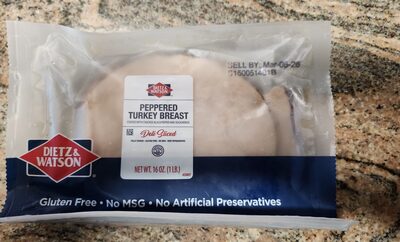
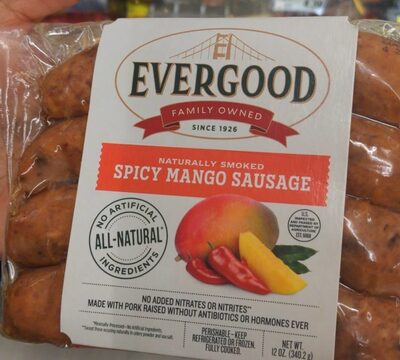
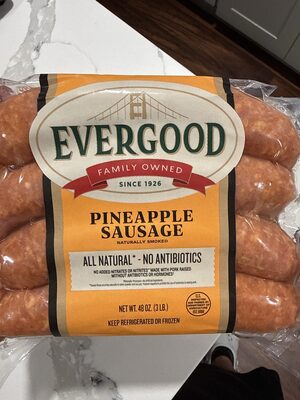
Learn more
Auto-generated content. This description was generated automatically and is pending editorial review. Inaccuracies are possible. Found a mistake? Contact us.