Cooked Enriched Spaghetti
What is Cooked Enriched Spaghetti?
Enriched spaghetti is a type of pasta made from durum wheat semolina. It is 'enriched' with added B vitamins (thiamin, riboflavin, niacin, folic acid) and iron, which are lost during the refining process. The spaghetti is cooked and often canned or packaged with sauce.
Is Cooked Enriched Spaghetti vegan?
Cooked Enriched Spaghetti is not animal-derived. Products that contain it can still include other animal-derived ingredients, so check the full ingredient list.
Is Cooked Enriched Spaghetti gluten-free?
It also contains gluten.
Is Cooked Enriched Spaghetti a major allergen?
Spaghetti is made from wheat, which is one of the 9 FDA major allergens.
What is Cooked Enriched Spaghetti used for?
Manufacturers use cooked enriched spaghetti as a base for convenient meals like pasta dishes and canned soups.
Is Cooked Enriched Spaghetti safe?
Enriched spaghetti is generally recognized as safe (GRAS) by the FDA when used as intended.
Why it's used
Manufacturers use cooked enriched spaghetti as a base for convenient meals like pasta dishes and canned soups. Its mild flavor and familiar texture make it a versatile ingredient that absorbs sauces well.
Health notes
Enriched spaghetti is generally recognized as safe (GRAS) by the FDA when used as intended. The added vitamins and iron contribute to nutrient intake. International bodies like JECFA have evaluated spaghetti and pasta products. Typical consumption levels are not associated with adverse health effects.
Allergen info
Spaghetti is made from wheat, which is one of the 9 FDA major allergens. It also contains gluten. Not vegan safe.
Foods that contain Cooked Enriched Spaghetti
Compare products →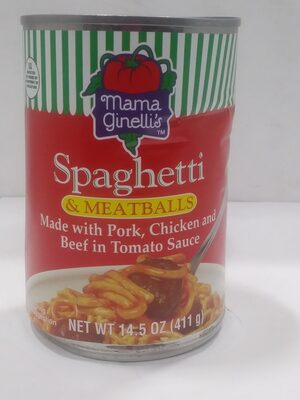
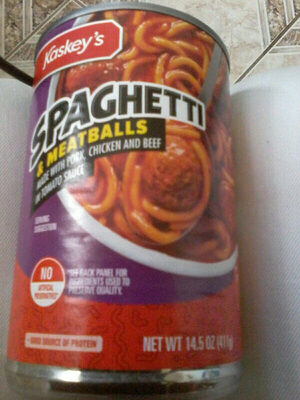
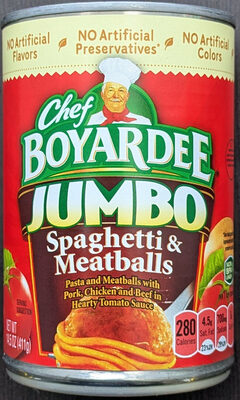
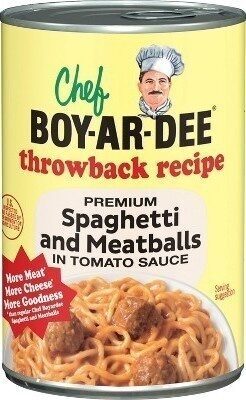
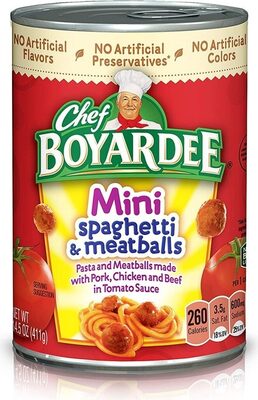

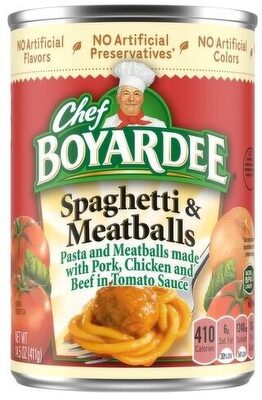
Learn more
Auto-generated content. This description was generated automatically and is pending editorial review. Inaccuracies are possible. Found a mistake? Contact us.