Cooked Pasta
What is Cooked Pasta?
Cooked pasta is made from durum wheat flour and water, formed into various shapes like spaghetti, penne, or macaroni. It is then cooked, typically by boiling, until it reaches a tender yet firm texture. Pasta is a staple food in many cultures, especially Italian cuisine.
Is Cooked Pasta vegan?
Cooked Pasta is not animal-derived. Products that contain it can still include other animal-derived ingredients, so check the full ingredient list.
Is Cooked Pasta gluten-free?
Pasta made from wheat contains gluten, which is a common allergen for individuals with celiac disease or gluten sensitivity.
What is Cooked Pasta used for?
Cooked pasta is used as a base or main component in a wide variety of dishes.
Is Cooked Pasta safe?
Pasta is primarily a source of carbohydrates, providing energy.
Why it's used
Cooked pasta is used as a base or main component in a wide variety of dishes. It provides a carbohydrate-rich foundation for sauces, meats, and vegetables in meals such as pasta salads, baked dishes, and one-pot meals. Its neutral flavor makes it versatile for different culinary applications.
Health notes
Pasta is primarily a source of carbohydrates, providing energy. Whole wheat pasta also offers dietary fiber, vitamins, and minerals. The FDA considers pasta made from enriched flour to be a source of important nutrients. JECFA has evaluated pasta and found it to be safe for consumption. At typical intake levels, pasta is generally considered part of a balanced diet.
Allergen info
Pasta made from wheat contains gluten, which is a common allergen for individuals with celiac disease or gluten sensitivity. Wheat is one of the FDA's 9 major allergens.
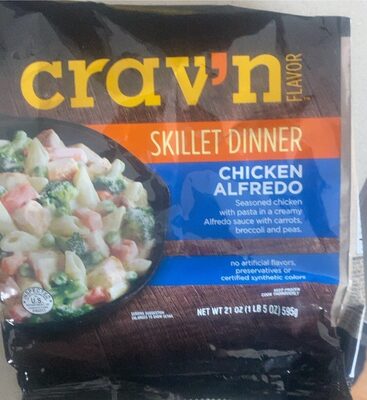
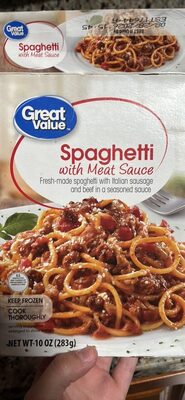
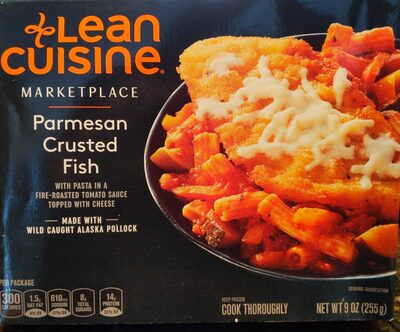
Foods that contain Cooked Pasta
Compare products →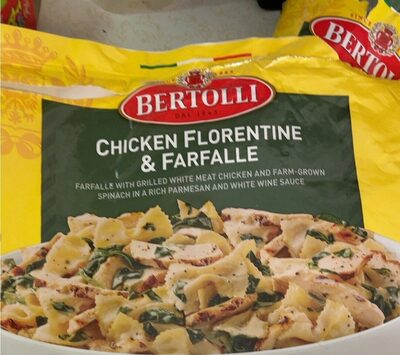
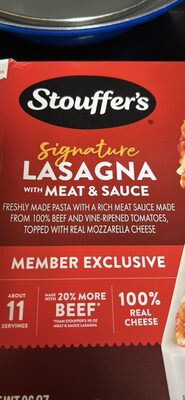
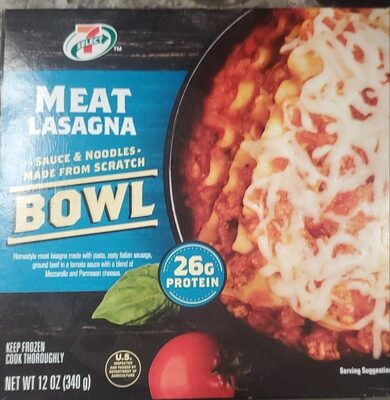
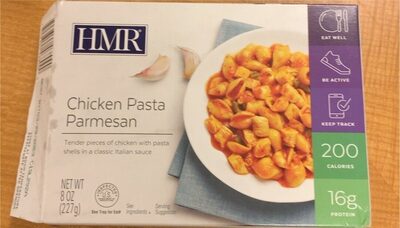
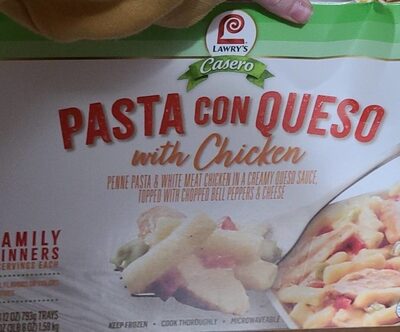
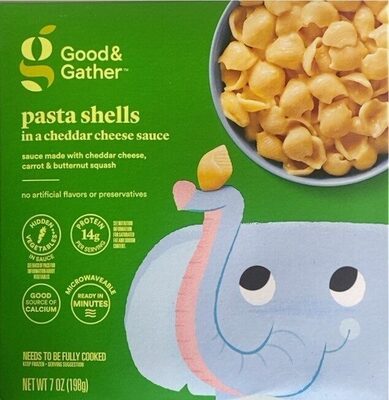
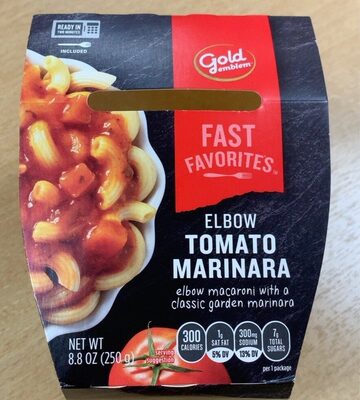
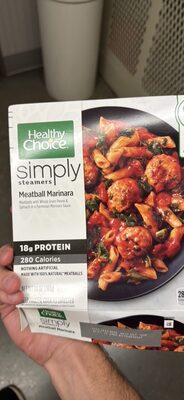
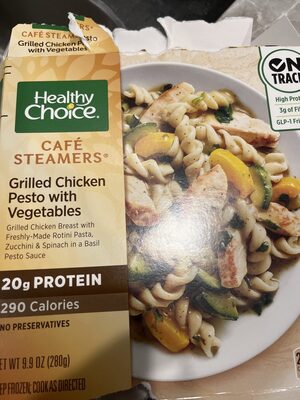
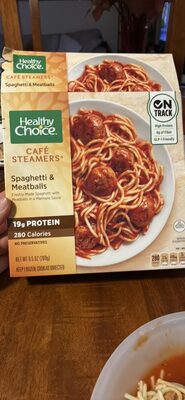
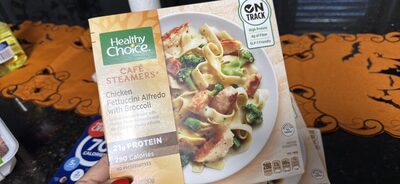
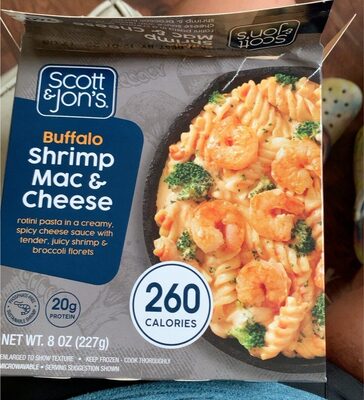
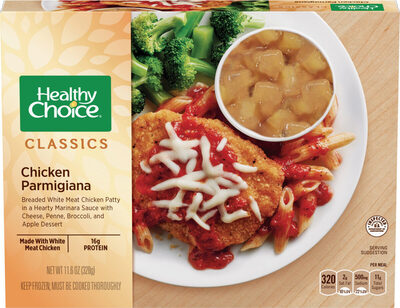
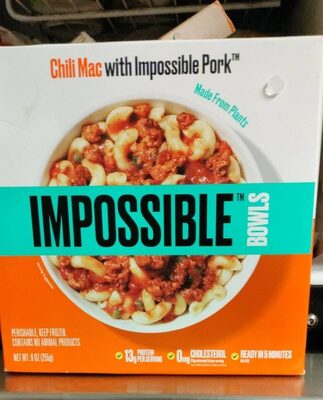
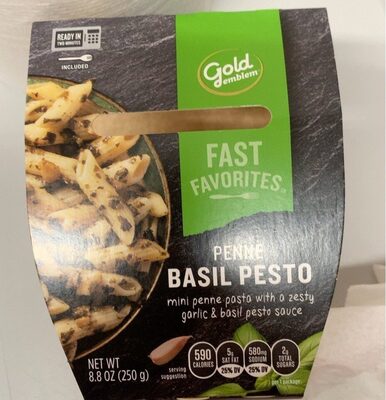
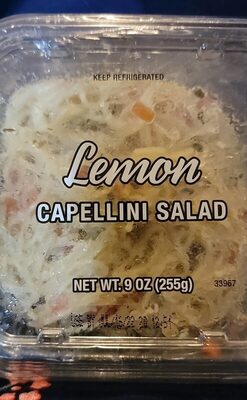
Learn more
Auto-generated content. This description was generated automatically and is pending editorial review. Inaccuracies are possible. Found a mistake? Contact us.