Cookies
What is Cookies?
Cookies are baked or cooked confections made from flour, sugar, and fat, often with added ingredients like eggs, leavening agents, and flavorings. They originated in Persia around the 7th century AD and have since evolved into countless varieties worldwide. Cookies are typically small, flat, and sweet, with textures ranging from crisp to chewy.
Is Cookies gluten-free?
Cookies can be a major allergen if they contain wheat (gluten), eggs, milk, soy, or tree nuts.
What is Cookies used for?
Cookies are primarily used as a sweet treat or dessert.
Is Cookies safe?
Cookies are generally recognized as safe (GRAS) by the FDA when used as intended.
Why it's used
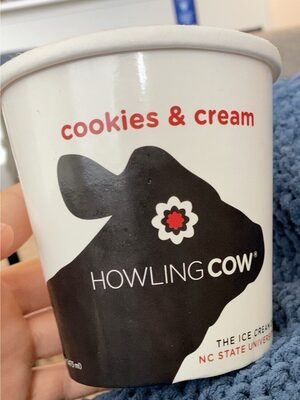
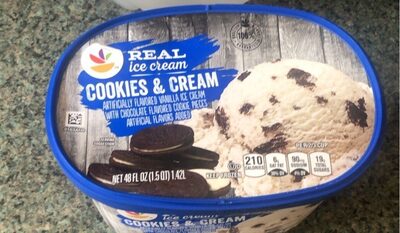
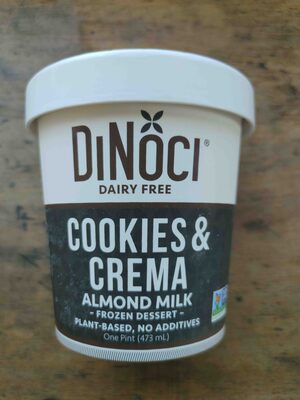
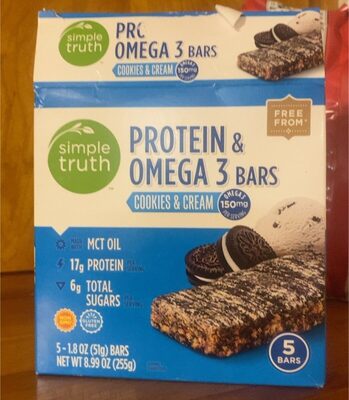
Cookies are primarily used as a sweet treat or dessert. Manufacturers add them to other food products for flavor, texture, and visual appeal. They are commonly found in ice cream, yogurt, puddings, and as standalone baked goods.
Health notes
Cookies are generally recognized as safe (GRAS) by the FDA when used as intended. They are not typically evaluated by international bodies like JECFA or EFSA as a distinct food category, but their individual ingredients are. High consumption of cookies, due to their sugar and fat content, can contribute to excess calorie intake, which is linked to health concerns like weight gain and associated conditions. Evidence on the specific health impacts of cookies at typical intake levels is mixed, depending heavily on the overall diet.
Allergen info
Cookies can be a major allergen if they contain wheat (gluten), eggs, milk, soy, or tree nuts. Gluten is also a common concern for individuals with celiac disease or gluten sensitivity.
Foods that contain Cookies
Compare products →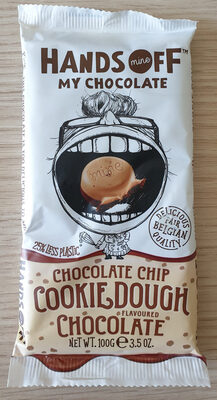
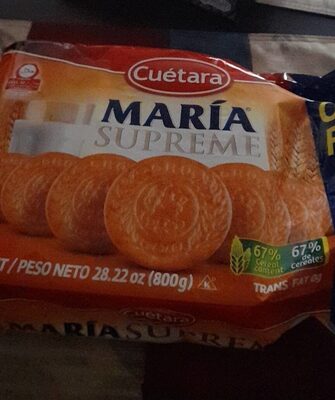
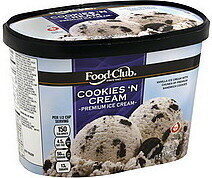

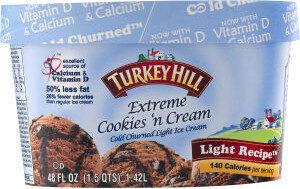











Learn more
Auto-generated content. This description was generated automatically and is pending editorial review. Inaccuracies are possible. Found a mistake? Contact us.