Copper Chelate
What is Copper Chelate?
Copper chelate is a form of copper that is bound to other molecules, making it easier for the body to absorb. It is often made by combining copper salts with amino acids or other organic compounds. This process can be done through various chemical reactions.
Is Copper Chelate gluten-free?
It does not contain gluten.
Is Copper Chelate a major allergen?
Copper chelate is not derived from any of the FDA's major allergens.
What is Copper Chelate used for?
Copper chelate is primarily added to foods as a nutrient to fortify them with copper.
Is Copper Chelate safe?
In the U.S., copper chelate is generally recognized as safe (GRAS) by the FDA when used as a nutrient.
Why it's used
Copper chelate is primarily added to foods as a nutrient to fortify them with copper. It is found in dietary supplements and some fortified foods like energy drinks and meal replacements. Manufacturers use it to help consumers meet their daily recommended intake of this essential mineral.
Health notes
In the U.S., copper chelate is generally recognized as safe (GRAS) by the FDA when used as a nutrient. The World Health Organization (WHO) and the European Food Safety Authority (EFSA) have also evaluated copper and its compounds. While copper is essential, excessive intake can lead to adverse health effects. However, the amounts typically found in fortified foods are well within safe levels.
Allergen info
Copper chelate is not derived from any of the FDA's major allergens. It does not contain gluten.
Foods that contain Copper Chelate
Compare products →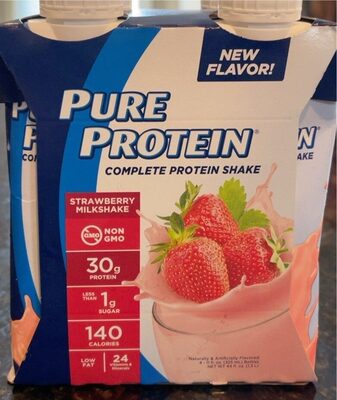
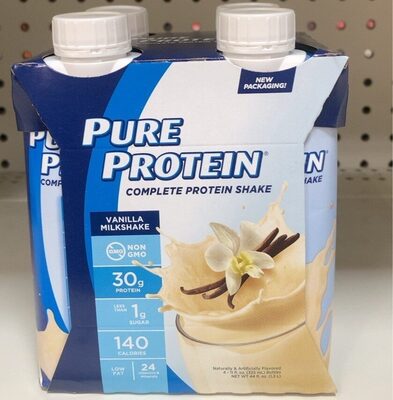
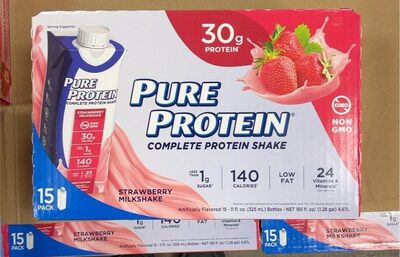
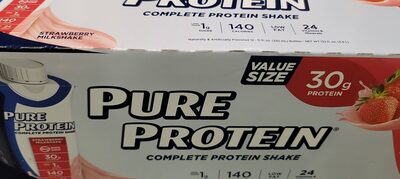
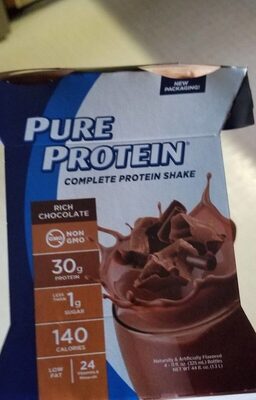 Pure Protein
Rich Chocolate Complete Protein Shake, Rich Chocolate
43kcal
9.2Protein
0.6Fat
1.9Carbs
Learn more
Auto-generated content. This description was generated automatically and is pending editorial review. Inaccuracies are possible. Found a mistake? Contact us.