Corn And Citric Acid
Auto-generated content. This description was generated automatically and is pending editorial review. Inaccuracies are possible. Found a mistake? Contact us.
What it is
Citric acid is a weak organic acid found naturally in citrus fruits like lemons and limes. It is commercially produced through the fermentation of carbohydrate sources, such as corn starch, using specific strains of the mold Aspergillus niger.
Why it's used
Manufacturers add citric acid to foods and beverages primarily to provide a tart, sour flavor and to act as an acidity regulator. It also serves as a preservative by inhibiting the growth of bacteria and molds, and as an antioxidant to prevent spoilage. It is commonly found in jams, jellies, candies, soft drinks, and canned fruits and vegetables.
Health notes
Citric acid is generally recognized as safe (GRAS) by the U.S. Food and Drug Administration (FDA) for use in food. International bodies like the Joint FAO/WHO Expert Committee on Food Additives (JECFA) and the European Food Safety Authority (EFSA) have evaluated citric acid and its salts. At typical consumption levels, it is not associated with adverse health effects. Some research has explored its role in preventing kidney stones, but more studies are needed.
Allergen info
Citric acid is not derived from any of the nine FDA major allergens. It does not contain gluten.
Products containing Corn And Citric Acid
Compare products →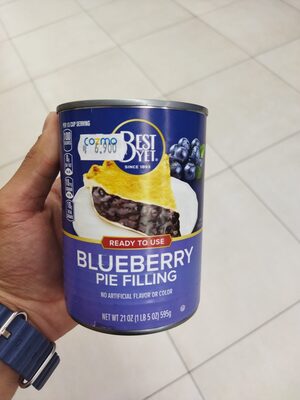 S. M. Flickinger Co., Inc.
Blueberry Pie Filling, Blueberry
High in added sugars — 30% DV per serving
118kcal
0Protein
0Fat
28.2Carbs
S. M. Flickinger Co., Inc.
Blueberry Pie Filling, Blueberry
High in added sugars — 30% DV per serving
118kcal
0Protein
0Fat
28.2Carbs
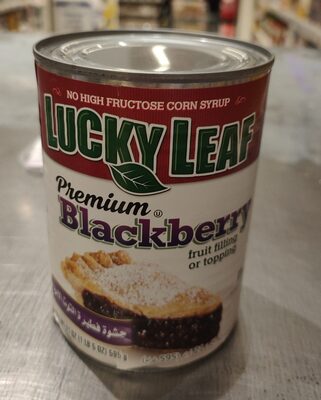 Knouse Foods Inc.
Blackberry Premium Fruit Filling & Topping, Blackberry
106kcal
0Protein
0Fat
25.9Carbs
Knouse Foods Inc.
Blackberry Premium Fruit Filling & Topping, Blackberry
106kcal
0Protein
0Fat
25.9Carbs