Corn And Tapioca
What is Corn And Tapioca?
Corn and tapioca are both starches derived from plants. Corn starch comes from the endosperm of corn kernels, while tapioca starch is extracted from the cassava root. Both are processed to create fine, white powders used widely in food production.
Is Corn And Tapioca vegan?
Corn And Tapioca is not animal-derived. Products that contain it can still include other animal-derived ingredients, so check the full ingredient list.
Is Corn And Tapioca gluten-free?
Neither contains gluten.
Is Corn And Tapioca a major allergen?
Corn is not one of the FDA's 9 major allergens.
What is Corn And Tapioca used for?
These starches are primarily used as thickeners and stabilizers in a variety of foods, including sauces, gravies, soups, and dairy products like yogurt.
Is Corn And Tapioca safe?
Corn starch and tapioca starch are generally recognized as safe (GRAS) by the FDA for use in food.
Why it's used
These starches are primarily used as thickeners and stabilizers in a variety of foods, including sauces, gravies, soups, and dairy products like yogurt. They can also be used as binders or to improve the texture of baked goods and processed foods.
Health notes
Corn starch and tapioca starch are generally recognized as safe (GRAS) by the FDA for use in food. They are sources of carbohydrates and are metabolized for energy. Regulatory bodies like JECFA and EFSA have evaluated starches, and they are considered safe when consumed as part of a balanced diet. There are no widespread health controversies associated with their typical consumption.
Allergen info
Corn is not one of the FDA's 9 major allergens. Tapioca is derived from the cassava root and is also not a major allergen. Neither contains gluten.
Foods that contain Corn And Tapioca
Compare products →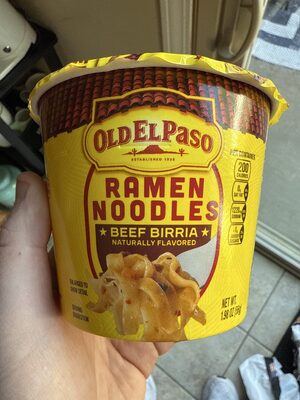
Learn more
Auto-generated content. This description was generated automatically and is pending editorial review. Inaccuracies are possible. Found a mistake? Contact us.