Corn Flake
What is Corn Flake?
Corn flakes are a breakfast cereal made from toasted flakes of corn. They are produced by cooking grains of corn, flattening them into flakes, and then toasting them until they are crisp. This process gives them their characteristic crunchy texture and light, airy feel.
Is Corn Flake vegan?
Corn Flake is not animal-derived. Products that contain it can still include other animal-derived ingredients, so check the full ingredient list.
Is Corn Flake gluten-free?
Corn itself does not contain gluten.
Is Corn Flake a major allergen?
Corn is not one of the nine major allergens recognized by the FDA.
What is Corn Flake used for?
Corn flakes are primarily used as a breakfast cereal, often served with milk and fruit.
Is Corn Flake safe?
Corn flakes are generally recognized as safe (GRAS) by the FDA for use in food.
Why it's used
Corn flakes are primarily used as a breakfast cereal, often served with milk and fruit. They can also be used as a crunchy coating for fried or baked foods, or as a binder in recipes like meatballs and casseroles. Their mild flavor and crispy texture make them versatile in both sweet and savory dishes.
Health notes
Corn flakes are generally recognized as safe (GRAS) by the FDA for use in food. They are a source of carbohydrates and can be fortified with vitamins and minerals. While generally considered safe, like many processed foods, their nutritional value depends on added ingredients and portion size. JECFA has evaluated corn and its derivatives, and they are widely consumed globally without major health concerns at typical intake levels.
Allergen info
Corn is not one of the nine major allergens recognized by the FDA. Corn itself does not contain gluten.
Foods that contain Corn Flake
Compare products →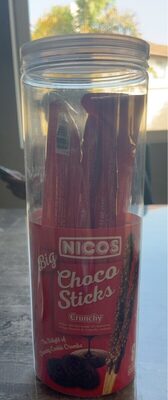 Sam's F&B, Inc.
Crunchy Big Choco Sticks, Crunchy
High in saturated fat — 20% DV per serving
500kcal
5.6Protein
27.8Fat
61.1Carbs
Sam's F&B, Inc.
Crunchy Big Choco Sticks, Crunchy
High in saturated fat — 20% DV per serving
500kcal
5.6Protein
27.8Fat
61.1Carbs
 Sam's F&B, Inc.
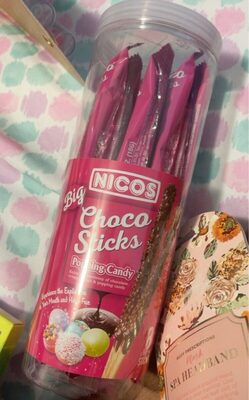
Big Choco Popping Candy Sticks, Big Choco
500kcal
5.6Protein
27.8Fat
66.7Carbs
Sam's F&B, Inc.
Big Choco Popping Candy Sticks, Big Choco
500kcal
5.6Protein
27.8Fat
66.7Carbs
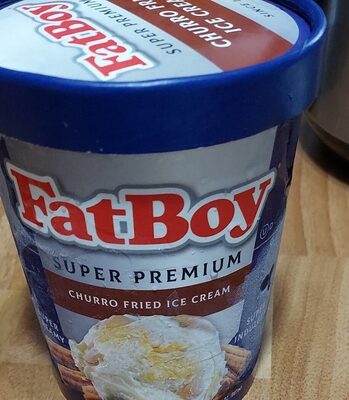 Churro Fried Ice Cream
High in saturated fat — 35% DV per serving
High in added sugars — 42% DV per serving
283kcal
3.3Protein
15.2Fat
33.7Carbs
The Kroger Co.
Chewy Granola Bars With Yogurt Flavored Coating, Strawberry
429kcal
5.7Protein
12.9Fat
71.4Carbs
Churro Fried Ice Cream
High in saturated fat — 35% DV per serving
High in added sugars — 42% DV per serving
283kcal
3.3Protein
15.2Fat
33.7Carbs
The Kroger Co.
Chewy Granola Bars With Yogurt Flavored Coating, Strawberry
429kcal
5.7Protein
12.9Fat
71.4Carbs
Learn more
Auto-generated content. This description was generated automatically and is pending editorial review. Inaccuracies are possible. Found a mistake? Contact us.