Corn On The Cob
What is Corn On The Cob?
Corn on the cob is a type of corn with kernels attached to a central core called a cob. It is a whole vegetable that grows on a stalk. It is typically eaten after being cooked, often by boiling, grilling, or roasting.
Is Corn On The Cob vegan?
Corn On The Cob is not animal-derived. Products that contain it can still include other animal-derived ingredients, so check the full ingredient list.
Is Corn On The Cob gluten-free?
It does not contain gluten.
Is Corn On The Cob a major allergen?
Corn is not one of the nine major allergens identified by the FDA.
What is Corn On The Cob used for?
Corn on the cob is primarily used as a whole vegetable in meals.
Is Corn On The Cob safe?
Corn is generally recognized as safe (GRAS) by the FDA when used as a food ingredient.
Why it's used
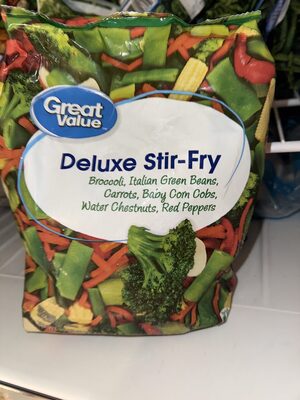
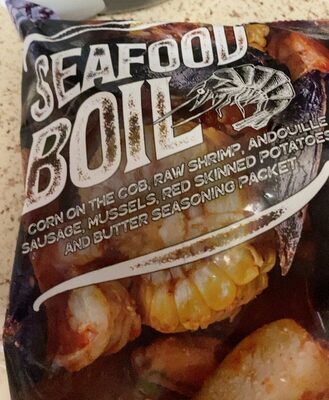
Corn on the cob is primarily used as a whole vegetable in meals. It is often sold frozen or canned, and can be found in dishes like frozen vegetable mixes, side dishes, and casseroles. Its natural sweetness and texture make it a popular choice for consumers.
Health notes
Corn is generally recognized as safe (GRAS) by the FDA when used as a food ingredient. It is a source of dietary fiber, vitamins, and minerals. Regulatory bodies like JECFA have evaluated corn and its components. While generally considered healthy, some individuals may have sensitivities or allergies to corn.
Allergen info
Corn is not one of the nine major allergens identified by the FDA. It does not contain gluten.
Foods that contain Corn On The Cob
Compare products →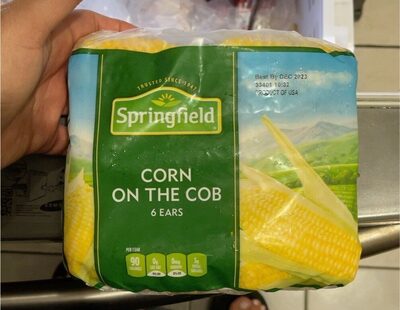
Auto-generated content. This description was generated automatically and is pending editorial review. Inaccuracies are possible. Found a mistake? Contact us.