Cotton Seed Soybean
What is Cotton Seed Soybean?
Cottonseed oil is a vegetable oil extracted from the seeds of cotton plants. After the cotton fibers are removed, the seeds are cleaned, crushed, and the oil is extracted. The crude oil is then refined to remove impurities and potential toxins like gossypol, making it safe for consumption.
Is Cotton Seed Soybean vegan?
Cotton Seed Soybean is not animal-derived. Products that contain it can still include other animal-derived ingredients, so check the full ingredient list.
Is Cotton Seed Soybean gluten-free?
It does not contain gluten.
Is Cotton Seed Soybean a major allergen?
Cottonseed oil is derived from cotton seeds.
What is Cotton Seed Soybean used for?
Cottonseed oil is a neutral-flavored cooking oil used in a variety of food products.
Is Cotton Seed Soybean safe?
Cottonseed oil is generally recognized as safe (GRAS) by the FDA for food use.
Why it's used
Cottonseed oil is a neutral-flavored cooking oil used in a variety of food products. Manufacturers often use it for frying, baking, and in salad dressings due to its stability and relatively low cost. It can be found in baked goods, snack foods, and processed meats.
Health notes
Cottonseed oil is generally recognized as safe (GRAS) by the FDA for food use. It is primarily composed of unsaturated fats, including polyunsaturated and monounsaturated fats, which are considered healthier fat choices. However, it also contains saturated fat. The FDA has not set a specific upper intake limit for cottonseed oil. JECFA and EFSA have evaluated vegetable oils, but no specific evaluations for cottonseed oil are widely cited in the context of setting intake limits.
Allergen info
Cottonseed oil is derived from cotton seeds. Cotton is not one of the 9 major allergens designated by the FDA. It does not contain gluten.
Foods that contain Cotton Seed Soybean
Compare products →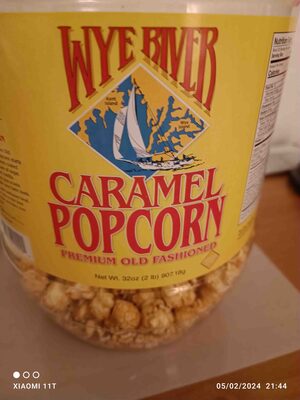 Wye River, Inc.
Caramel Premium Old Fashioned Popcorn, Caramel
393kcal
3.6Protein
3.6Fat
78.6Carbs
The Kroger Co.
King Soopers City Market, King Soopers, Chocolate Cake
High in saturated fat — 25% DV per serving
405kcal
4.0Protein
20.3Fat
55.4Carbs
Wegmans Food Markets, Inc.
Double Chocolate Truffle
High in saturated fat — 50% DV per serving
571kcal
7.1Protein
38.1Fat
52.4Carbs
Wye River, Inc.
Caramel Premium Old Fashioned Popcorn, Caramel
393kcal
3.6Protein
3.6Fat
78.6Carbs
The Kroger Co.
King Soopers City Market, King Soopers, Chocolate Cake
High in saturated fat — 25% DV per serving
405kcal
4.0Protein
20.3Fat
55.4Carbs
Wegmans Food Markets, Inc.
Double Chocolate Truffle
High in saturated fat — 50% DV per serving
571kcal
7.1Protein
38.1Fat
52.4Carbs
Learn more
Auto-generated content. This description was generated automatically and is pending editorial review. Inaccuracies are possible. Found a mistake? Contact us.