Cottonseed Or Palm Oil
What is Cottonseed Or Palm Oil?
Cottonseed oil is a vegetable oil extracted from the seeds of the cotton plant. Palm oil is a vegetable oil extracted from the fruit of the oil palm tree. Both are refined through processes like pressing and solvent extraction to produce a cooking oil.
Is Cottonseed Or Palm Oil vegan?
Cottonseed Or Palm Oil is not animal-derived. Products that contain it can still include other animal-derived ingredients, so check the full ingredient list.
Is Cottonseed Or Palm Oil a major allergen?
Not a major allergen.
What is Cottonseed Or Palm Oil used for?
These oils are widely used in the food industry as cooking oils, for frying, and as ingredients in processed foods.
Is Cottonseed Or Palm Oil safe?
Both cottonseed oil and palm oil are generally recognized as safe (GRAS) by the FDA for their intended uses in food.
Why it's used
These oils are widely used in the food industry as cooking oils, for frying, and as ingredients in processed foods. They contribute to the texture, mouthfeel, and shelf life of products like chips, baked goods, and snack foods.
Health notes
Both cottonseed oil and palm oil are generally recognized as safe (GRAS) by the FDA for their intended uses in food. They are sources of dietary fats, including saturated fats; the 2025-2030 Dietary Guidelines for Americans recommend limiting saturated fat intake to less than 10% of daily calories. Cottonseed oil was historically a source of partially hydrogenated oils (PHOs), which contained artificial trans fats, but PHOs are no longer GRAS since 2018, removing most artificial trans fats from the food supply. JECFA and EFSA have not set specific acceptable daily intakes for these oils, as they are considered basic food ingredients.
Allergen info
Not a major allergen.
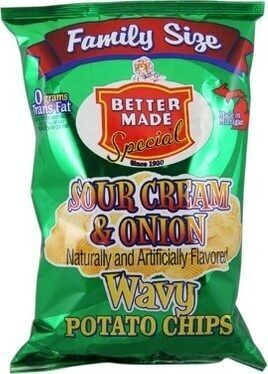
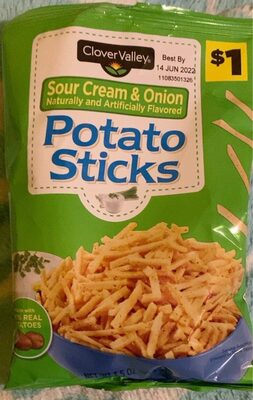
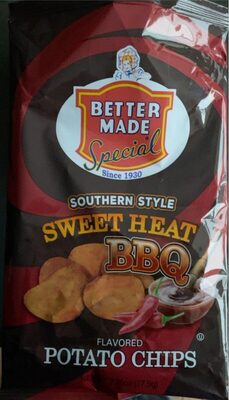
Foods that contain Cottonseed Or Palm Oil
Compare products →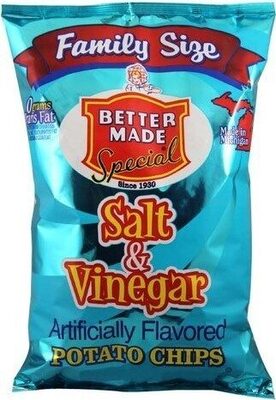




Learn more
Auto-generated content. This description was generated automatically and is pending editorial review. Inaccuracies are possible. Found a mistake? Contact us.