Cracked Wheat Flour
Auto-generated content. This description was generated automatically and is pending editorial review. Inaccuracies are possible. Found a mistake? Contact us.
What it is
Cracked wheat flour is made from whole wheat kernels that have been broken into smaller pieces. It is a coarser grind than traditional wheat flour. It retains the bran and germ of the wheat kernel, giving it a nuttier flavor and chewier texture.
Why it's used
Manufacturers use cracked wheat flour to add texture, flavor, and whole-grain nutrition to foods. It is often found in breads, crackers, cereals, and baked goods. Its coarser texture can provide a satisfying bite and a rustic appearance.
Health notes
Cracked wheat flour is generally recognized as safe (GRAS) by the FDA when used as a food ingredient. It is a source of dietary fiber, vitamins, and minerals. Regulatory bodies like JECFA and EFSA have evaluated wheat and its components, generally considering them safe for consumption within a balanced diet. Evidence suggests whole grains contribute to overall health.
Allergen info
Cracked wheat flour is derived from wheat, which is one of the 9 FDA major allergens. It contains gluten.
Products containing Cracked Wheat Flour
Compare products →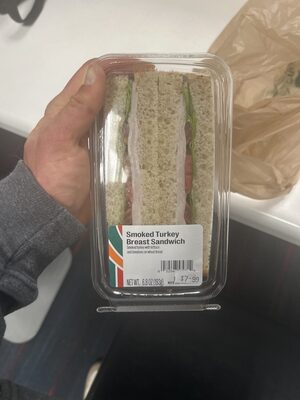 7-Eleven, Inc.
Smoked Turkey With Lettuce And Tomatoes On Wheat Bread Breast Sandwich, Smoked Turkey
High in sodium — 53% DV per serving
174kcal
10.9Protein
4.0Fat
26.9Carbs
Meijer, Inc.
Multigrain Mini Baguette Roll, Multigrain
400kcal
11.1Protein
6.7Fat
60Carbs
Meijer, Inc.
Cracked Wheat Rolls, Cracked Wheat
278kcal
11.1Protein
2.8Fat
52.8Carbs
7-Eleven, Inc.
Smoked Turkey With Lettuce And Tomatoes On Wheat Bread Breast Sandwich, Smoked Turkey
High in sodium — 53% DV per serving
174kcal
10.9Protein
4.0Fat
26.9Carbs
Meijer, Inc.
Multigrain Mini Baguette Roll, Multigrain
400kcal
11.1Protein
6.7Fat
60Carbs
Meijer, Inc.
Cracked Wheat Rolls, Cracked Wheat
278kcal
11.1Protein
2.8Fat
52.8Carbs