Cracked Whole Cell
What is Cracked Whole Cell?
Cracked whole cell refers to the physical disruption of yeast cells, often *Saccharomyces cerevisiae*. This process breaks open the cell walls and membranes, releasing the cell's contents. The resulting material is then typically dried and powdered.
Is Cracked Whole Cell vegan?
Cracked Whole Cell is not animal-derived. Products that contain it can still include other animal-derived ingredients, so check the full ingredient list.
Is Cracked Whole Cell gluten-free?
It does not contain gluten.
Is Cracked Whole Cell a major allergen?
Yeast is not one of the 9 FDA major allergens.
What is Cracked Whole Cell used for?
Manufacturers use cracked whole cell yeast as a source of protein, vitamins, and minerals, particularly B vitamins.
Is Cracked Whole Cell safe?
In the US, yeast products like cracked whole cell are generally recognized as safe (GRAS) by the FDA when used as intended.
Why it's used
Manufacturers use cracked whole cell yeast as a source of protein, vitamins, and minerals, particularly B vitamins. It is often added to nutritional shakes, bars, and snacks to boost their nutritional profile.
Health notes
In the US, yeast products like cracked whole cell are generally recognized as safe (GRAS) by the FDA when used as intended. Yeast is a source of nutrients, and its components are common in the diet. International bodies like JECFA and EFSA have evaluated yeast and its components. Evidence does not suggest adverse effects from typical dietary intake.
Allergen info
Yeast is not one of the 9 FDA major allergens. It does not contain gluten.
Foods that contain Cracked Whole Cell
Compare products →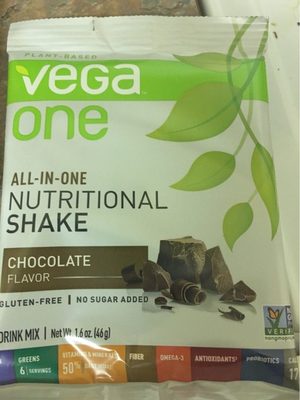
Learn more
Auto-generated content. This description was generated automatically and is pending editorial review. Inaccuracies are possible. Found a mistake? Contact us.