Crackers Enriched Flour Wheat Flour
Auto-generated content. This description was generated automatically and is pending editorial review. Inaccuracies are possible. Found a mistake? Contact us.
What it is
Enriched flour is made from wheat flour that has had certain nutrients added back after processing. The milling process removes the bran and germ, which contain fiber, iron, and B vitamins. Enriched flour is a common ingredient in baked goods and pasta.
Why it's used
Manufacturers add enriched flour to baked goods like bread, crackers, and pasta to improve their nutritional value and texture. It is a primary ingredient in many snack foods and staple food products.
Health notes
Enriched flour is a staple in the U.S. diet. The U.S. Food and Drug Administration (FDA) considers enriched flour safe for consumption. The Joint FAO/WHO Expert Committee on Food Additives (JECFA) and the European Food Safety Authority (EFSA) have evaluated flour and its enrichment, generally finding it safe. While enriched flour provides some added nutrients, it is still a refined carbohydrate and lacks the fiber found in whole grains.
Allergen info
Wheat is one of the 9 FDA major allergens. Enriched flour contains wheat and therefore is a major allergen. It also contains gluten.
Products containing Crackers Enriched Flour Wheat Flour
Compare products →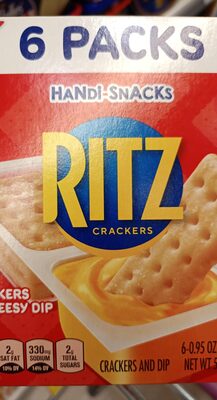 Nabisco Biscuit Company
Crackers 'N Cheesy Dip Handi-Snacks, Crackers 'N Cheesy Dip
370kcal
7.4Protein
18.5Fat
40.7Carbs
Nabisco Biscuit Company
Crackers 'N Cheesy Dip Handi-Snacks, Crackers 'N Cheesy Dip
370kcal
7.4Protein
18.5Fat
40.7Carbs
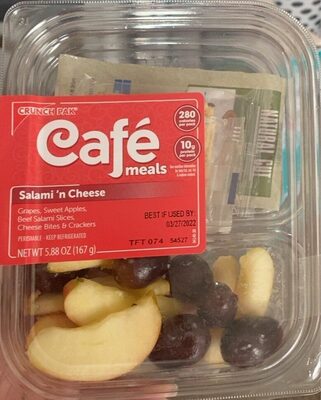 Crunch Pak Holding Company, LLC
Salami 'N Cheese Sweet Apples, Grapes, Emmental Cheese, Beef Salami Slices & Crackers Cafe Meals, Salami 'N Cheese
High in saturated fat — 30% DV per serving
169kcal
6.2Protein
8.1Fat
17.5Carbs
Meijer, Inc.
Mozzarella & Cheddar Flavored Whales Swift Snacks, Mozzarella & Cheddar Whales
371kcal
22.9Protein
20Fat
22.9Carbs
Kraft Heinz Foods Company
Turkey And American, Ham And Cheddar Cracker Stackers
High in sodium — 26% DV per serving
High in saturated fat — 35% DV per serving
High in added sugars — 28% DV per serving
366kcal
13.4Protein
18.3Fat
39.0Carbs
Crunch Pak Holding Company, LLC
Salami 'N Cheese Sweet Apples, Grapes, Emmental Cheese, Beef Salami Slices & Crackers Cafe Meals, Salami 'N Cheese
High in saturated fat — 30% DV per serving
169kcal
6.2Protein
8.1Fat
17.5Carbs
Meijer, Inc.
Mozzarella & Cheddar Flavored Whales Swift Snacks, Mozzarella & Cheddar Whales
371kcal
22.9Protein
20Fat
22.9Carbs
Kraft Heinz Foods Company
Turkey And American, Ham And Cheddar Cracker Stackers
High in sodium — 26% DV per serving
High in saturated fat — 35% DV per serving
High in added sugars — 28% DV per serving
366kcal
13.4Protein
18.3Fat
39.0Carbs