Crostini Cracker
What is Crostini Cracker?
Crostini crackers are small, dry, baked pieces of bread, often made from a baguette or similar loaf. They are typically seasoned with herbs, garlic, or cheese and then baked until crisp. The name 'crostini' comes from the Italian word for 'little toasts'.
Is Crostini Cracker vegan?
Crostini Cracker is not animal-derived. Products that contain it can still include other animal-derived ingredients, so check the full ingredient list.
Is Crostini Cracker gluten-free?
Crostini crackers are typically made with wheat flour, making them a source of gluten.
What is Crostini Cracker used for?
Crostini crackers are used as a crunchy component in packaged foods, adding texture and flavor.
Is Crostini Cracker safe?
Crostini crackers are a food product made from common ingredients like flour, oil, and seasonings.
Why it's used
Crostini crackers are used as a crunchy component in packaged foods, adding texture and flavor. They are often found in snack packs, deli salads, or alongside dips and spreads. Their purpose is to provide a savory, crisp element to the overall product.
Health notes
Crostini crackers are a food product made from common ingredients like flour, oil, and seasonings. They are not typically subject to specific regulatory evaluations as a standalone additive. The health implications are generally related to the nutritional content of the bread and added ingredients, such as carbohydrates, fats, and sodium.
Allergen info
Crostini crackers are typically made with wheat flour, making them a source of gluten. Wheat is one of the 9 FDA major allergens.
Foods that contain Crostini Cracker
Compare products →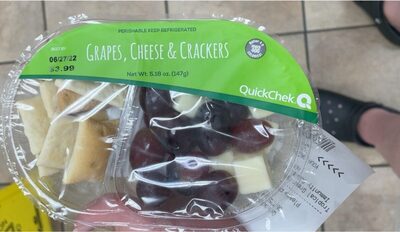
Learn more
Auto-generated content. This description was generated automatically and is pending editorial review. Inaccuracies are possible. Found a mistake? Contact us.