Crushed Beans
What is Crushed Beans?
Crushed beans are simply cooked beans that have been mashed or pureed. They can be made from various types of beans, such as pinto, black, or kidney beans. The process typically involves boiling or steaming the beans until soft, then processing them to achieve a desired texture.
Is Crushed Beans vegan?
Crushed Beans is not animal-derived. Products that contain it can still include other animal-derived ingredients, so check the full ingredient list.
Is Crushed Beans gluten-free?
They do not contain gluten.
Is Crushed Beans a major allergen?
Beans are not among the 9 FDA major allergens.
What is Crushed Beans used for?
Manufacturers use crushed beans as a thickener and to add body and texture to foods.
Is Crushed Beans safe?
Crushed beans are generally recognized as safe (GRAS) by the FDA when used as a food ingredient.
Why it's used
Manufacturers use crushed beans as a thickener and to add body and texture to foods. They contribute a mild, earthy flavor and can also act as a source of fiber and protein. Crushed beans are commonly found in chili, stews, sauces, and dips.
Health notes
Crushed beans are generally recognized as safe (GRAS) by the FDA when used as a food ingredient. They are a source of dietary fiber, protein, and various micronutrients. Regulatory bodies like JECFA and EFSA have evaluated beans and their components, recognizing their nutritional value. Evidence suggests that the fiber in beans can contribute to digestive health and may play a role in managing blood sugar levels.
Allergen info
Beans are not among the 9 FDA major allergens. They do not contain gluten.
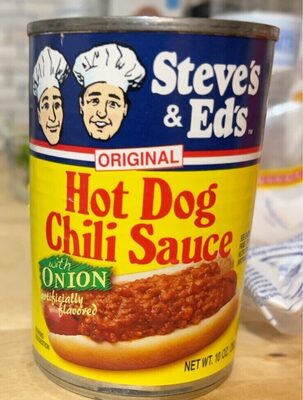
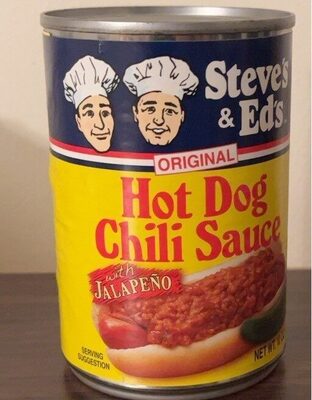
Foods that contain Crushed Beans
Compare products →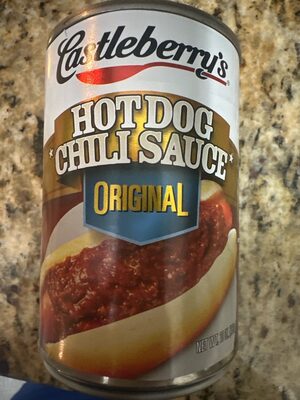
Learn more
Auto-generated content. This description was generated automatically and is pending editorial review. Inaccuracies are possible. Found a mistake? Contact us.