Crushed Pineapple
What is Crushed Pineapple?
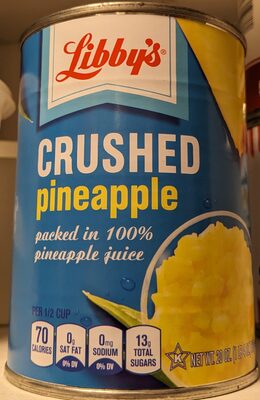
Crushed pineapple is made from ripe pineapples that have been mechanically broken down into smaller pieces. It retains the natural flavor, aroma, and sweetness of the fruit. It is often canned or frozen for preservation and ease of use in food production.
Is Crushed Pineapple vegan?
Crushed Pineapple is not animal-derived. Products that contain it can still include other animal-derived ingredients, so check the full ingredient list.
Is Crushed Pineapple gluten-free?
It does not contain gluten.
Is Crushed Pineapple a major allergen?
Pineapple is not one of the FDA's nine major allergens.
What is Crushed Pineapple used for?
Manufacturers use crushed pineapple primarily as a flavoring ingredient and for its natural sweetness.
Is Crushed Pineapple safe?
Crushed pineapple is generally recognized as safe (GRAS) by the FDA when used as a food ingredient.
Why it's used
Manufacturers use crushed pineapple primarily as a flavoring ingredient and for its natural sweetness. It adds a tropical taste and moisture to baked goods like cakes and cupcakes, and can also be found in sauces, marinades, and condiments.
Health notes
Crushed pineapple is generally recognized as safe (GRAS) by the FDA when used as a food ingredient. It is a source of vitamin C and manganese. International bodies like JECFA have evaluated pineapple and its components, but no specific health concerns are associated with its typical consumption as a food ingredient.
Allergen info
Pineapple is not one of the FDA's nine major allergens. It does not contain gluten.
Foods that contain Crushed Pineapple
Compare products →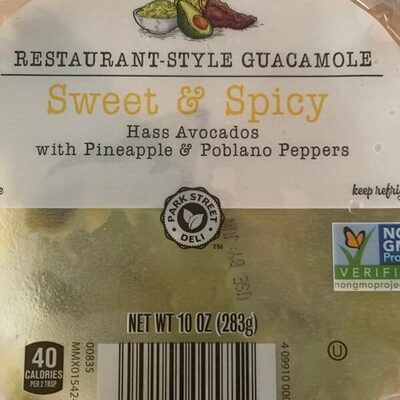
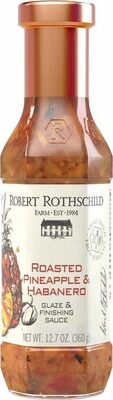
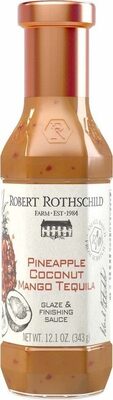
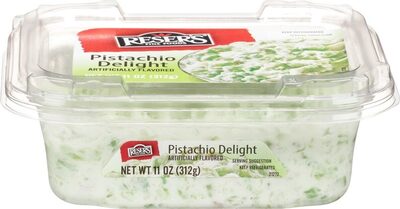
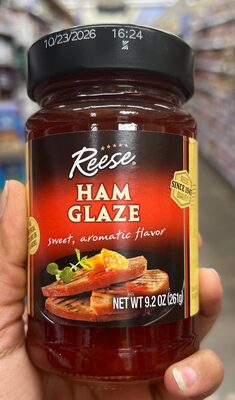
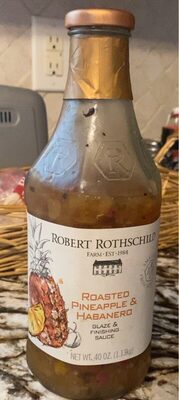
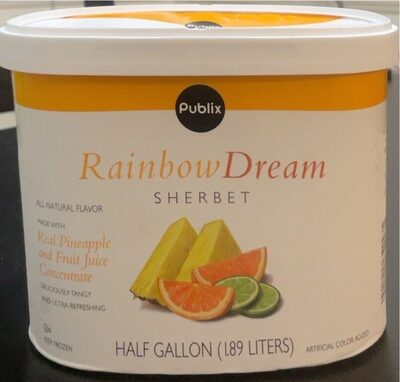
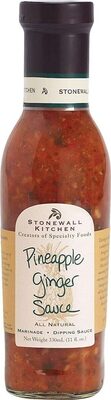
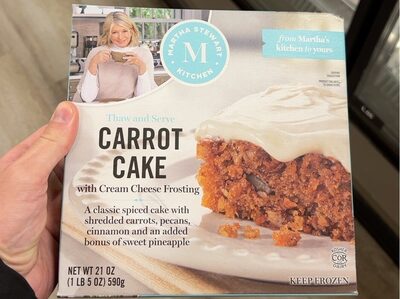
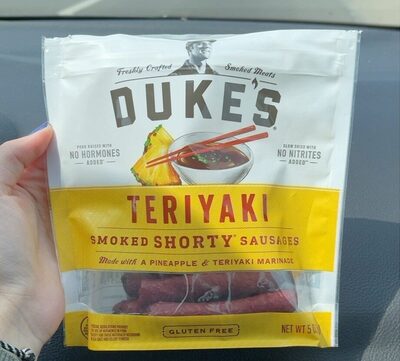
Auto-generated content. This description was generated automatically and is pending editorial review. Inaccuracies are possible. Found a mistake? Contact us.