Crushed
What is Crushed?
Crushed is a term used to describe food ingredients that have been broken down into smaller pieces. This can be done through mechanical processes like grinding, milling, or pressing. The specific form of 'crushed' depends on the original ingredient, such as crushed tomatoes or crushed red pepper flakes.
Is Crushed a major allergen?
Not a major allergen.
What is Crushed used for?
Manufacturers use crushed ingredients to alter texture, release flavor, or create specific visual appearances in foods.
Is Crushed safe?
The health implications of 'crushed' ingredients depend entirely on the original food item.
Why it's used
Manufacturers use crushed ingredients to alter texture, release flavor, or create specific visual appearances in foods. Crushed fruits or vegetables are common in sauces, jams, and baked goods. Crushed spices add flavor and heat to a wide variety of savory dishes and marinades.
Health notes
The health implications of 'crushed' ingredients depend entirely on the original food item. For example, crushed tomatoes are a source of vitamins and antioxidants. Crushed red pepper is a source of capsaicin, which can cause a burning sensation. Regulatory bodies like the FDA generally consider crushed forms of common foods to be safe as part of a balanced diet. International bodies such as JECFA and EFSA have evaluated many individual food ingredients, but 'crushed' itself is a processing term, not a distinct ingredient with its own evaluation.
Allergen info
Not a major allergen. However, if the ingredient is crushed from a source that is a major allergen (e.g., crushed peanuts), it would carry allergen warnings.
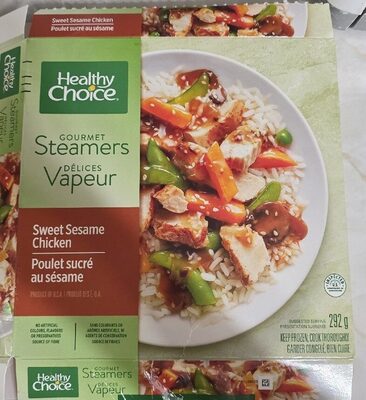
Foods that contain Crushed
Compare products →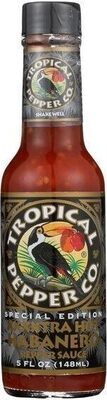
Auto-generated content. This description was generated automatically and is pending editorial review. Inaccuracies are possible. Found a mistake? Contact us.