Habanero Peppers
Auto-generated content. This description was generated automatically and is pending editorial review. Inaccuracies are possible. Found a mistake? Contact us.
What it is
Habanero peppers are a variety of chili pepper, scientifically known as *Capsicum chinense*. They are native to the Amazon region and are now cultivated in various parts of the world, particularly in Mexico and Central America. Habaneros are known for their distinctive lantern-like shape and intense heat.
Why it's used
Habanero peppers are primarily used to add significant heat and a fruity flavor to foods. They are a popular ingredient in hot sauces, salsas, marinades, and spice blends. Manufacturers use them to create spicy food products that appeal to consumers seeking intense flavor and heat.
Health notes
Habanero peppers are generally recognized as safe (GRAS) by the FDA for use as a food ingredient. The primary active compound, capsaicin, is responsible for their heat and may have some health effects. Some studies suggest capsaicin may influence metabolism or pain perception, but more research is needed. Regulatory bodies like JECFA and EFSA have evaluated capsaicin, but no specific numeric limits are typically set for whole peppers used as food ingredients. Evidence on long-term health effects at typical consumption levels is mixed and requires further investigation.
Allergen info
Habanero peppers are not derived from any of the nine FDA major allergens. They do not contain gluten.
Products containing Habanero Peppers
Compare products →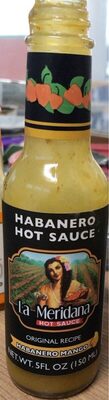 LA MERIDANA
Habanero Hot Sauce, Habanero Mango
60kcal
0Protein
0Fat
20Carbs
LA MERIDANA
Habanero Hot Sauce, Habanero Mango
60kcal
0Protein
0Fat
20Carbs
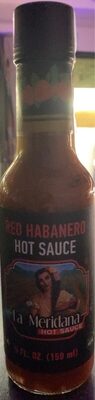 LA MERIDANA
Original Recipe Red Habanero Hot Sauce, Red
0kcal
0Protein
0Fat
0Carbs
CAMPBELL SOUP COMPANY
Pace Dips Mango Habanero
33kcal
0Protein
0Fat
10Carbs
LA MERIDANA
Original Recipe Red Habanero Hot Sauce, Red
0kcal
0Protein
0Fat
0Carbs
CAMPBELL SOUP COMPANY
Pace Dips Mango Habanero
33kcal
0Protein
0Fat
10Carbs