Cultivated Blueberries
What is Cultivated Blueberries?
Cultivated blueberries are the same species as wild blueberries but are grown commercially in fields. They are small, round fruits, typically blue or purple, with a sweet and slightly tart flavor. Blueberries are harvested when ripe and can be sold fresh, frozen, or dried.
Is Cultivated Blueberries vegan?
Cultivated Blueberries is not animal-derived. Products that contain it can still include other animal-derived ingredients, so check the full ingredient list.
Is Cultivated Blueberries gluten-free?
They do not contain gluten.
Is Cultivated Blueberries a major allergen?
Blueberries are not one of the nine major allergens identified by the FDA.
What is Cultivated Blueberries used for?
Blueberries are often added to foods for their flavor, color, and nutritional value.
Is Cultivated Blueberries safe?
Blueberries are a source of vitamins, minerals, and antioxidants.
Why it's used
Blueberries are often added to foods for their flavor, color, and nutritional value. They are commonly found in baked goods like muffins and pies, as well as in yogurt, cereal, and smoothies. Manufacturers may also use them in jams, jellies, and sauces.
Health notes
Blueberries are a source of vitamins, minerals, and antioxidants. The U.S. Food and Drug Administration (FDA) recognizes blueberries as Generally Recognized As Safe (GRAS). International bodies like the European Food Safety Authority (EFSA) have also evaluated blueberries and their components. Research suggests that compounds in blueberries may support heart health and cognitive function, though more studies are needed to confirm these effects.
Allergen info
Blueberries are not one of the nine major allergens identified by the FDA. They do not contain gluten.
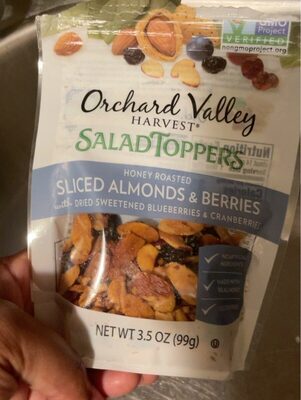
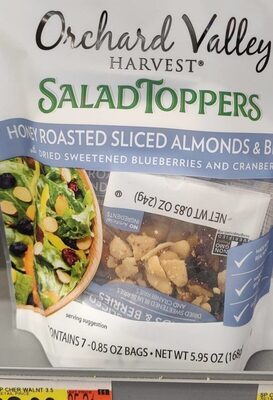
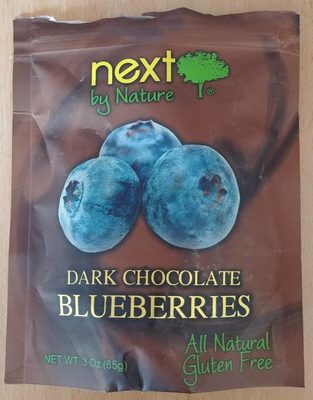
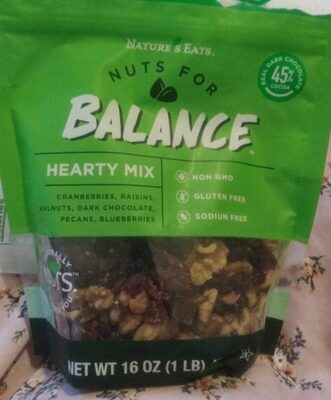
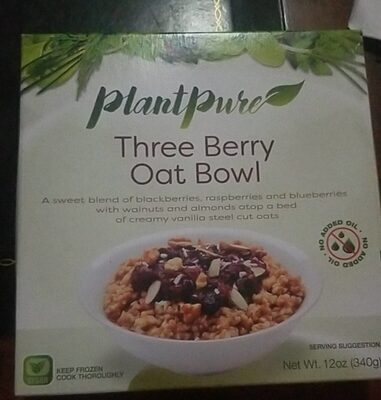
Foods that contain Cultivated Blueberries
Compare products →














Auto-generated content. This description was generated automatically and is pending editorial review. Inaccuracies are possible. Found a mistake? Contact us.