Cultured Organic Pasteurized Whole Milk
What is Cultured Organic Pasteurized Whole Milk?
This is whole milk that has been treated with specific live bacterial cultures (like Lactobacillus and Streptococcus species) to ferment lactose into lactic acid. The "organic" label means it comes from cows raised according to USDA organic standards, and "pasteurized" means it was heated to kill harmful bacteria. This process gives the milk a thicker texture and a tangy flavor.
Is Cultured Organic Pasteurized Whole Milk vegan?
No. Cultured Organic Pasteurized Whole Milk is animal-derived, so it is not vegan.
Is Cultured Organic Pasteurized Whole Milk a major allergen?
Milk is one of the 9 FDA major allergens.
What is Cultured Organic Pasteurized Whole Milk used for?
Cultured milk is the base for many dairy products, most notably yogurt.
Is Cultured Organic Pasteurized Whole Milk safe?
Cultured milk is a source of calcium and protein.
Why it's used
Cultured milk is the base for many dairy products, most notably yogurt. The fermentation process thickens the milk and adds a characteristic tartness. It is also used in some cheeses and cultured buttermilk.
Health notes
Cultured milk is a source of calcium and protein. The live and active cultures are considered probiotics, which may support gut health. In the US, milk and milk products are regulated by the FDA. International bodies like JECFA and EFSA have evaluated many dairy components and cultures, generally recognizing their safety for consumption.
Allergen info
Milk is one of the 9 FDA major allergens. This ingredient is derived from milk.
Foods that contain Cultured Organic Pasteurized Whole Milk
Compare products →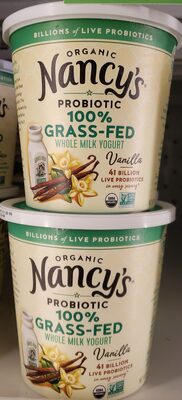 Springfield Creamery Inc.
Vanilla Cream On Top Organic Probiotic Whole Milk Yogurt, Vanilla
82kcal
4.1Protein
3.5Fat
8.8Carbs
Springfield Creamery Inc.
Vanilla Cream On Top Organic Probiotic Whole Milk Yogurt, Vanilla
82kcal
4.1Protein
3.5Fat
8.8Carbs
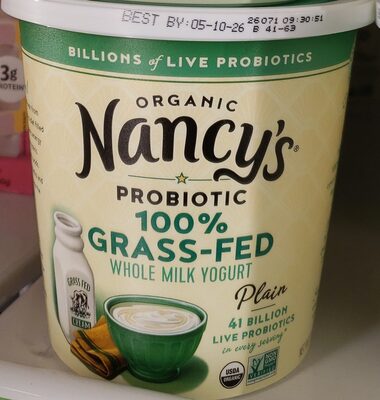 Springfield Creamery Inc.
Plain Organic Probiotic Whole Milk Yogurt, Plain
76kcal
4.1Protein
3.5Fat
6.5Carbs
Springfield Creamery Inc.
Vanilla Cream On Top Organic Probiotic Whole Milk Yogurt, Vanilla
82kcal
4.1Protein
3.5Fat
8.8Carbs
Springfield Creamery Inc.
Ginger Peach Organic Probiotic Whole Milk Yogurt, Ginger Peach
High in added sugars — 20% DV per serving
94kcal
3.5Protein
3.5Fat
11.8Carbs
Springfield Creamery Inc.
Blueberry Lavender Organic Probiotic Whole Milk Yogurt, Blueberry Lavender
High in added sugars — 20% DV per serving
94kcal
3.5Protein
3.5Fat
11.8Carbs
Springfield Creamery Inc.
Plain Organic Probiotic Whole Milk Yogurt, Plain
76kcal
4.1Protein
3.5Fat
6.5Carbs
Springfield Creamery Inc.
Plain Organic Probiotic Whole Milk Yogurt, Plain
76kcal
4.1Protein
3.5Fat
6.5Carbs
Springfield Creamery Inc.
Vanilla Cream On Top Organic Probiotic Whole Milk Yogurt, Vanilla
82kcal
4.1Protein
3.5Fat
8.8Carbs
Springfield Creamery Inc.
Ginger Peach Organic Probiotic Whole Milk Yogurt, Ginger Peach
High in added sugars — 20% DV per serving
94kcal
3.5Protein
3.5Fat
11.8Carbs
Springfield Creamery Inc.
Blueberry Lavender Organic Probiotic Whole Milk Yogurt, Blueberry Lavender
High in added sugars — 20% DV per serving
94kcal
3.5Protein
3.5Fat
11.8Carbs
Springfield Creamery Inc.
Plain Organic Probiotic Whole Milk Yogurt, Plain
76kcal
4.1Protein
3.5Fat
6.5Carbs
Learn more
Auto-generated content. This description was generated automatically and is pending editorial review. Inaccuracies are possible. Found a mistake? Contact us.