Cultured Pasteurized Grade A Organic Nonfat Milk
Auto-generated content. This description was generated automatically and is pending editorial review. Inaccuracies are possible. Found a mistake? Contact us.
What it is
This ingredient is milk from cows that has been pasteurized (heated to kill germs) and cultured with beneficial bacteria. It is also certified as organic, meaning it comes from cows raised under specific organic farming standards without certain pesticides or antibiotics. The 'Grade A' designation indicates it meets federal milk safety standards.
Why it's used
The bacteria used in culturing give milk a tangy flavor and thicker texture, making it ideal for products like yogurt and cheese. It provides a protein base and contributes to the creamy mouthfeel in dairy products.
Health notes
Cultured pasteurized milk is a common dairy ingredient and is generally recognized as safe (GRAS) by the FDA. It is a source of protein, calcium, and other nutrients. International bodies like JECFA have evaluated milk products. Consuming dairy products like yogurt and cheese is associated with bone health.
Allergen info
Milk is one of the 9 major allergens recognized by the FDA. This ingredient is derived from milk.
Products containing Cultured Pasteurized Grade A Organic Nonfat Milk
Compare products →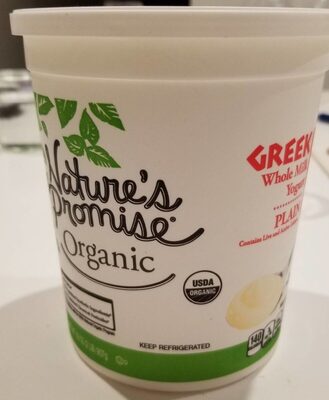 Ahold USA, Inc.
Plain Greek Whole Milk Yogurt, Plain
82kcal
10Protein
3.5Fat
2.9Carbs
Whole Foods Market, Inc.
Fat Free Cottage Cheese
71kcal
12.4Protein
0Fat
3.5Carbs
Clover Stornetta Farms, Inc.
Organic Cottage Cheese
71kcal
12.4Protein
0Fat
3.5Carbs
Ahold USA, Inc.
Plain Greek Whole Milk Yogurt, Plain
82kcal
10Protein
3.5Fat
2.9Carbs
Whole Foods Market, Inc.
Fat Free Cottage Cheese
71kcal
12.4Protein
0Fat
3.5Carbs
Clover Stornetta Farms, Inc.
Organic Cottage Cheese
71kcal
12.4Protein
0Fat
3.5Carbs
 Meijer, Inc.
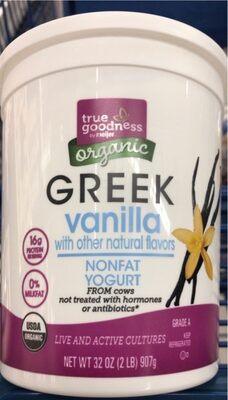
Vanilla Organic Greek Nonfat Yogurt, Vanilla
76kcal
9.4Protein
0Fat
8.8Carbs
Wegmans Food Markets, Inc.
Lime Blended Nonfat Greek Strained Yogurt, Lime
80kcal
8.7Protein
0Fat
11.3Carbs
Ahold USA, Inc.
Plain Organic Greek Nonfat Yogurt, Plain
53kcal
10.7Protein
0Fat
3.3Carbs
Ahold USA, Inc.
Vanilla Bean Organic Greek Nonfat Yogurt, Vanilla Bean
73kcal
8.7Protein
0Fat
10Carbs
Ahold USA, Inc.
Strawberry Organic Greek Nonfat Yogurt, Strawberry
87kcal
8.7Protein
0Fat
12Carbs
Ahold USA, Inc.
Vanilla Organic Lowfat Yogurt, Vanilla
75kcal
4.0Protein
0.9Fat
13.2Carbs
Meijer, Inc.
Vanilla Organic Greek Nonfat Yogurt, Vanilla
76kcal
9.4Protein
0Fat
8.8Carbs
Wegmans Food Markets, Inc.
Lime Blended Nonfat Greek Strained Yogurt, Lime
80kcal
8.7Protein
0Fat
11.3Carbs
Ahold USA, Inc.
Plain Organic Greek Nonfat Yogurt, Plain
53kcal
10.7Protein
0Fat
3.3Carbs
Ahold USA, Inc.
Vanilla Bean Organic Greek Nonfat Yogurt, Vanilla Bean
73kcal
8.7Protein
0Fat
10Carbs
Ahold USA, Inc.
Strawberry Organic Greek Nonfat Yogurt, Strawberry
87kcal
8.7Protein
0Fat
12Carbs
Ahold USA, Inc.
Vanilla Organic Lowfat Yogurt, Vanilla
75kcal
4.0Protein
0.9Fat
13.2Carbs