Organic Sugar
What is Organic Sugar?
Organic sugar is a type of sugar produced from sugarcane or sugar beets that have been grown and processed according to organic farming standards. This means no synthetic pesticides, herbicides, or fertilizers are used. It is often less refined than conventional white sugar, sometimes retaining a slight molasses content.
Is Organic Sugar vegan?
Organic Sugar is not animal-derived. Products that contain it can still include other animal-derived ingredients, so check the full ingredient list.
Is Organic Sugar a major allergen?
Not a major allergen.
What is Organic Sugar used for?
Organic sugar is primarily used as a sweetener to enhance the taste of foods and beverages.
Is Organic Sugar safe?
Sugar is generally recognized as safe (GRAS) by the FDA when used as a food ingredient.
Why it's used
Organic sugar is primarily used as a sweetener to enhance the taste of foods and beverages. It also contributes to the texture, browning, and preservation of many products. It is commonly found in baked goods, cereals, yogurts, and various processed foods.
Health notes
Sugar is generally recognized as safe (GRAS) by the FDA when used as a food ingredient. The Dietary Guidelines for Americans (2025-2030) recommend no amount of added sugars, and at most 10 grams of added sugars per meal. High intake of added sugars is associated with increased calorie intake and may contribute to health issues such as obesity and type 2 diabetes. JECFA has evaluated sugars as food components but does not set an acceptable daily intake (ADI) for them as food additives.
Allergen info
Not a major allergen.
Foods that contain Organic Sugar
Compare products →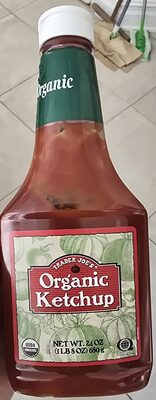
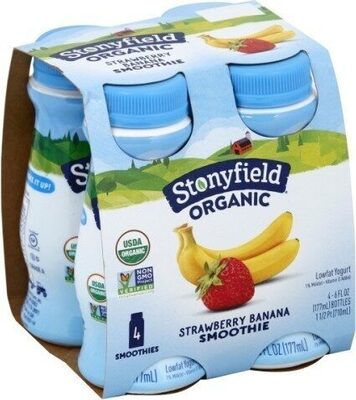
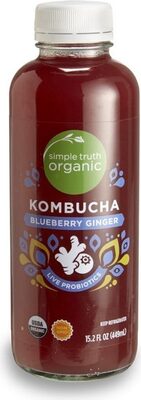
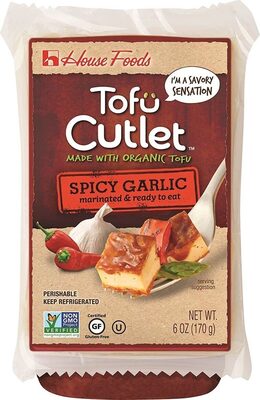
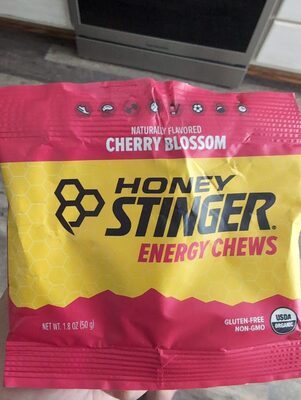
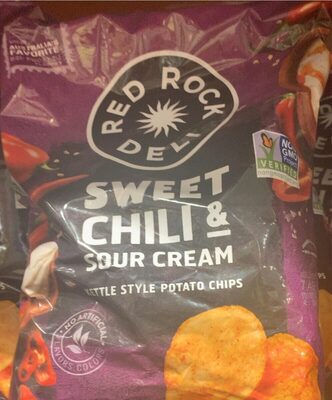
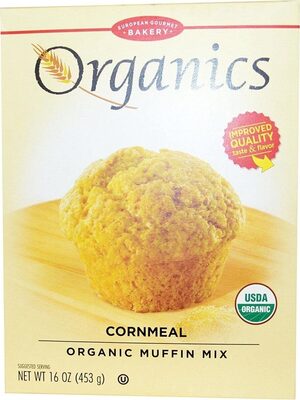
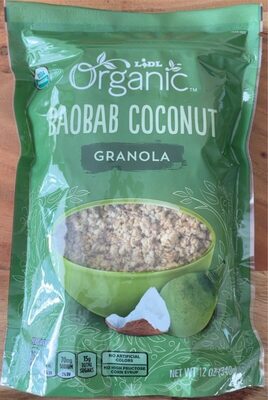
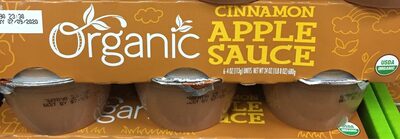
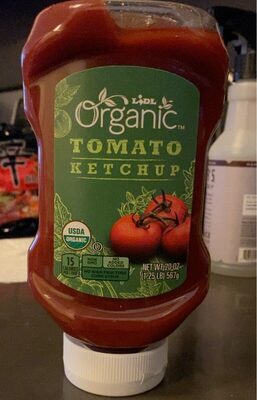
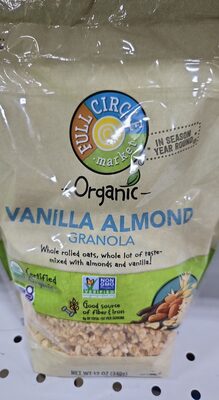
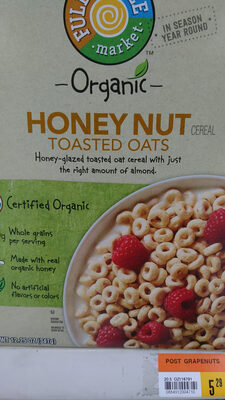
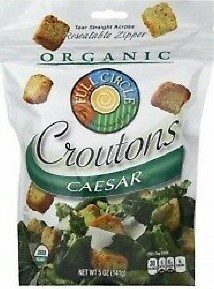
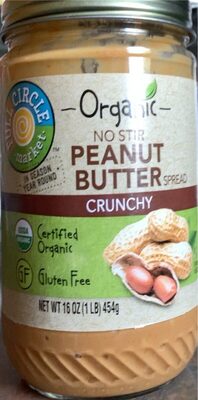 Full Circle Market
Crunchy No Stir Peanut Butter Spread, Crunchy
633kcal
23.3Protein
50Fat
23.3Carbs
Learn more
Auto-generated content. This description was generated automatically and is pending editorial review. Inaccuracies are possible. Found a mistake? Contact us.