Cultured Pastuerized Milk
What is Cultured Pastuerized Milk?
Cultured pasteurized milk is milk that has been heated to kill harmful bacteria and then had beneficial bacteria added to it. These added bacteria ferment the milk sugars, creating a tangy flavor and thicker texture. This process is used to make yogurt, cheese, and other cultured dairy products.
Is Cultured Pastuerized Milk vegan?
No. Cultured Pastuerized Milk is animal-derived, so it is not vegan.
Is Cultured Pastuerized Milk a major allergen?
Milk is one of the 9 major allergens identified by the FDA.
What is Cultured Pastuerized Milk used for?
Manufacturers use cultured pasteurized milk as a base for many dairy products like cheese, yogurt, and sour cream.
Is Cultured Pastuerized Milk safe?
Cultured pasteurized milk is a source of protein, calcium, and probiotics, which are beneficial bacteria.
Why it's used
Manufacturers use cultured pasteurized milk as a base for many dairy products like cheese, yogurt, and sour cream. Its tangy flavor and creamy texture contribute to the taste and mouthfeel of these foods. It is also used in some baked goods and sauces to add richness and a slight tang.
Health notes
Cultured pasteurized milk is a source of protein, calcium, and probiotics, which are beneficial bacteria. The FDA considers pasteurized milk safe for consumption. Probiotics found in cultured dairy products are generally recognized as safe and may support gut health, though research is ongoing. No specific regulatory limits or concerns have been raised by major food safety bodies regarding typical consumption.
Allergen info
Milk is one of the 9 major allergens identified by the FDA. Therefore, cultured pasteurized milk is a major allergen.
Foods that contain Cultured Pastuerized Milk
Compare products →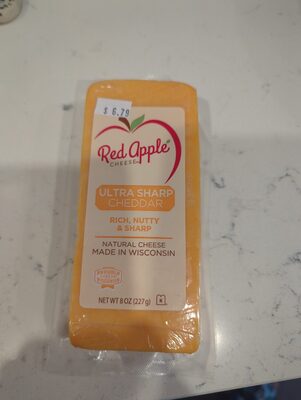 Red Apple Cheese LLC
Ultra Sharp Cheddar Cheese, Ultra Sharp Cheddar
High in saturated fat — 30% DV per serving
357kcal
21.4Protein
28.6Fat
3.6Carbs
Red Apple Cheese LLC
Horseradish Cheddar Cheese, Horseradish Cheddar
357kcal
21.4Protein
28.6Fat
3.6Carbs
Golden West Trading, Inc.
Cheddar & Hatch Chile Mac & Cheese Jumbo Macaroni In A Creamy Sauce Of Aged Sharp White Cheddar And Jack Cheeses Topped With More Cheese, Hatch Green Chiles And Crispy Cornbread Crumbles, Cheddar & Hatch Chile
High in sodium — 27% DV per serving
High in saturated fat — 55% DV per serving
181kcal
7.9Protein
8.4Fat
18.1Carbs
Red Apple Cheese LLC
Ultra Sharp Cheddar Cheese, Ultra Sharp Cheddar
High in saturated fat — 30% DV per serving
357kcal
21.4Protein
28.6Fat
3.6Carbs
Red Apple Cheese LLC
Horseradish Cheddar Cheese, Horseradish Cheddar
357kcal
21.4Protein
28.6Fat
3.6Carbs
Golden West Trading, Inc.
Cheddar & Hatch Chile Mac & Cheese Jumbo Macaroni In A Creamy Sauce Of Aged Sharp White Cheddar And Jack Cheeses Topped With More Cheese, Hatch Green Chiles And Crispy Cornbread Crumbles, Cheddar & Hatch Chile
High in sodium — 27% DV per serving
High in saturated fat — 55% DV per serving
181kcal
7.9Protein
8.4Fat
18.1Carbs
Learn more
Auto-generated content. This description was generated automatically and is pending editorial review. Inaccuracies are possible. Found a mistake? Contact us.