Cultures And Annatto
What is Cultures And Annatto?
Cultures and annatto is a combination of live bacterial cultures and annatto extract. The bacterial cultures are microorganisms used to ferment foods like dairy products. Annatto is a natural food coloring derived from the seeds of the achiote tree, native to tropical regions of the Americas.
Is Cultures And Annatto gluten-free?
It does not contain gluten.
Is Cultures And Annatto a major allergen?
Cultures are not a major allergen.
What is Cultures And Annatto used for?
Manufacturers use live cultures to develop flavor and texture in dairy products like yogurt and sour cream through fermentation.
Is Cultures And Annatto safe?
Live bacterial cultures are generally recognized as safe (GRAS) by the FDA for use in foods.
Why it's used
Manufacturers use live cultures to develop flavor and texture in dairy products like yogurt and sour cream through fermentation. Annatto is added to provide a yellow to reddish-orange color in foods such as cheese, butter, and baked goods.
Health notes
Live bacterial cultures are generally recognized as safe (GRAS) by the FDA for use in foods. Annatto is also GRAS. Both are commonly consumed in fermented foods and natural colorants. Regulatory bodies like the WHO/FAO Joint Expert Committee on Food Additives (JECFA) and the European Food Safety Authority (EFSA) have evaluated similar food ingredients. Evidence does not suggest adverse health effects from typical consumption levels.
Allergen info
Cultures are not a major allergen. Annatto is not derived from any of the 9 FDA major allergens. It does not contain gluten.
Foods that contain Cultures And Annatto
Compare products →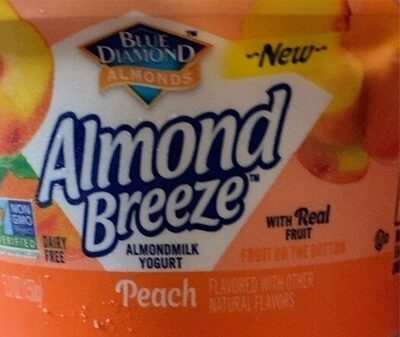 Blue Diamond Growers
Peach Flavored Fruit On The Bottom Almondmilk Yogurt, Peach
High in added sugars — 30% DV per serving
93kcal
1.3Protein
3.3Fat
15.3Carbs
Wegmans Food Markets, Inc.
Macaroni & Cheese
High in sodium — 27% DV per serving
High in saturated fat — 65% DV per serving
High in cholesterol — 22% DV per serving
185kcal
7.5Protein
8.8Fat
18.9Carbs
Tropical Cheese Industries Inc
Grade A Cultured Cream
214kcal
3.6Protein
17.9Fat
10.7Carbs
The Quay Corporation, Inc.
Salvadorean Style Dairy Blend, Salvadorean Style
179kcal
0Protein
17.9Fat
7.1Carbs
The Quay Corporation, Inc.
Crenosa Hondurena Dairy Blend, Cremosa Hondurena
179kcal
0Protein
17.9Fat
7.1Carbs
Blue Diamond Growers
Peach Flavored Fruit On The Bottom Almondmilk Yogurt, Peach
High in added sugars — 30% DV per serving
93kcal
1.3Protein
3.3Fat
15.3Carbs
Wegmans Food Markets, Inc.
Macaroni & Cheese
High in sodium — 27% DV per serving
High in saturated fat — 65% DV per serving
High in cholesterol — 22% DV per serving
185kcal
7.5Protein
8.8Fat
18.9Carbs
Tropical Cheese Industries Inc
Grade A Cultured Cream
214kcal
3.6Protein
17.9Fat
10.7Carbs
The Quay Corporation, Inc.
Salvadorean Style Dairy Blend, Salvadorean Style
179kcal
0Protein
17.9Fat
7.1Carbs
The Quay Corporation, Inc.
Crenosa Hondurena Dairy Blend, Cremosa Hondurena
179kcal
0Protein
17.9Fat
7.1Carbs
Auto-generated content. This description was generated automatically and is pending editorial review. Inaccuracies are possible. Found a mistake? Contact us.