Cyanocobalmin
What is Cyanocobalmin?
Cyanocobalamin is a synthetic form of vitamin B12, a nutrient essential for nerve function and the formation of DNA and red blood cells. It is produced industrially through bacterial fermentation and chemical synthesis. This form is commonly used in food fortification and supplements because it is stable and readily absorbed by the body.
Is Cyanocobalmin vegan?
Cyanocobalmin is not animal-derived. Products that contain it can still include other animal-derived ingredients, so check the full ingredient list.
Is Cyanocobalmin gluten-free?
Cyanocobalamin is not one of the FDA's major allergens and does not contain gluten.
What is Cyanocobalmin used for?
Manufacturers add cyanocobalamin to foods as a nutrient to fortify them with vitamin B12.
Is Cyanocobalmin safe?
Cyanocobalamin is recognized as safe and effective by the FDA when used as a nutrient or dietary supplement.
Why it's used
Manufacturers add cyanocobalamin to foods as a nutrient to fortify them with vitamin B12. It is often found in breakfast cereals, plant-based milk alternatives, and nutritional supplements. It helps ensure consumers can meet their daily vitamin B12 requirements, especially those who may not consume enough animal products.
Health notes
Cyanocobalamin is recognized as safe and effective by the FDA when used as a nutrient or dietary supplement. It is not associated with adverse health effects at typical dietary intake levels. International bodies like JECFA and EFSA have evaluated vitamin B12, recognizing its essential role in human health. Evidence does not suggest significant health concerns at normal consumption levels.
Allergen info
Cyanocobalamin is not one of the FDA's major allergens and does not contain gluten.
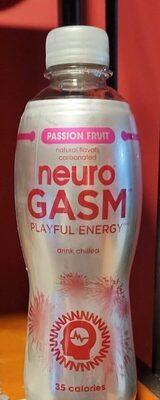
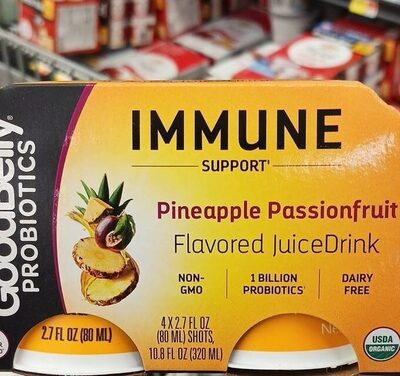
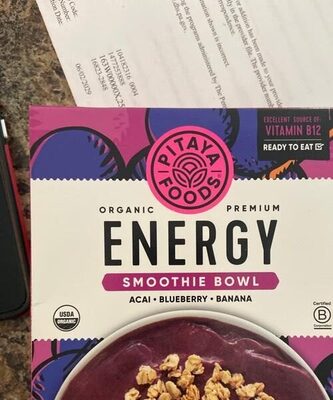
Foods that contain Cyanocobalmin
Compare products →
Learn more
Auto-generated content. This description was generated automatically and is pending editorial review. Inaccuracies are possible. Found a mistake? Contact us.