D-alpha Tocopheryl
What is D-alpha Tocopheryl?
D-alpha-tocopheryl is a form of vitamin E, a fat-soluble nutrient. It is often synthesized from alpha-tocopherol, which can be derived from plant oils like soybean or sunflower oil.
Is D-alpha Tocopheryl vegan?
D-alpha Tocopheryl is not animal-derived. Products that contain it can still include other animal-derived ingredients, so check the full ingredient list.
Is D-alpha Tocopheryl a major allergen?
D-alpha-tocopheryl is not a major allergen.
What is D-alpha Tocopheryl used for?
It is added to foods as an antioxidant to help prevent oils and fats from going rancid, which preserves flavor and quality.
Is D-alpha Tocopheryl safe?
D-alpha-tocopheryl is recognized as safe by the FDA when used as a nutrient supplement or for its antioxidant properties.
Why it's used
It is added to foods as an antioxidant to help prevent oils and fats from going rancid, which preserves flavor and quality. It is also used as a nutrient supplement. You can find it in products like plant-based milk, snack bars, and juices.
Health notes
D-alpha-tocopheryl is recognized as safe by the FDA when used as a nutrient supplement or for its antioxidant properties. It is a form of vitamin E, which is essential for human health. Regulatory bodies like JECFA and EFSA have evaluated vitamin E and its derivatives. At typical dietary intakes, it is considered safe and beneficial as an antioxidant.
Allergen info
D-alpha-tocopheryl is not a major allergen. If derived from soybean oil, it may be a concern for those with severe soy allergies, though highly refined oils are often considered safe.
Foods that contain D-alpha Tocopheryl
Compare products →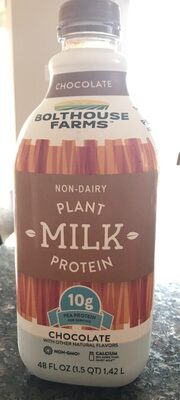
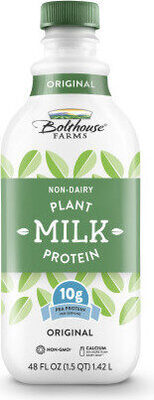
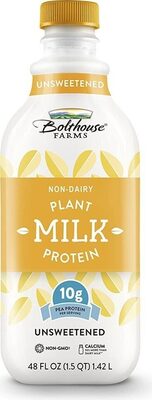

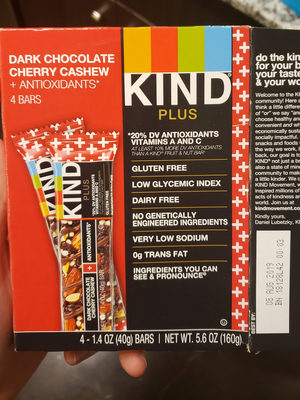
Learn more
Auto-generated content. This description was generated automatically and is pending editorial review. Inaccuracies are possible. Found a mistake? Contact us.