D-glucuronolactone
What is D-glucuronolactone?
D-glucuronolactone is a naturally occurring compound found in the body, particularly in connective tissues. It is also found in some plants. In food, it is typically produced synthetically through a chemical process.
Is D-glucuronolactone vegan?
D-glucuronolactone is not animal-derived. Products that contain it can still include other animal-derived ingredients, so check the full ingredient list.
Is D-glucuronolactone gluten-free?
It does not contain gluten.
Is D-glucuronolactone a major allergen?
D-glucuronolactone is not derived from any of the nine major allergens recognized by the FDA.
What is D-glucuronolactone used for?
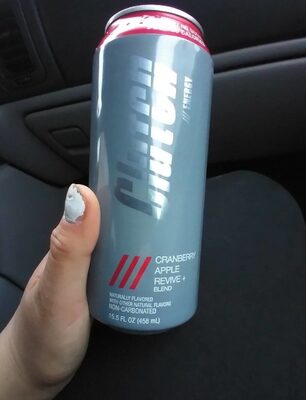
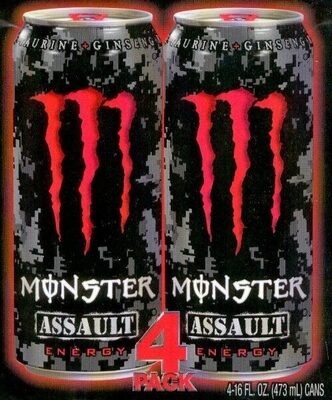
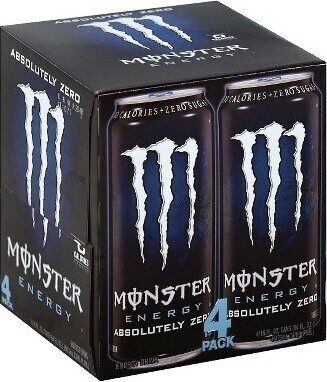
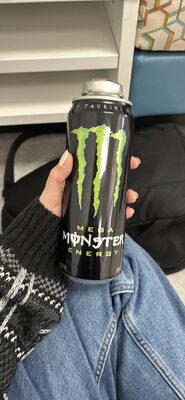
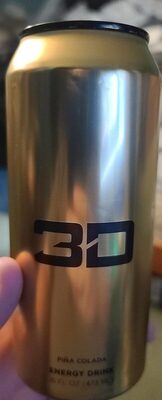
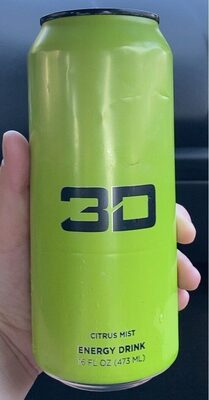
D-glucuronolactone is often added to energy drinks and other beverages.
Is D-glucuronolactone safe?
D-glucuronolactone is generally recognized as safe (GRAS) by the FDA for use in food.
Why it's used
D-glucuronolactone is often added to energy drinks and other beverages. It is sometimes included for its perceived energizing effects, though scientific evidence for this is limited. It can also act as a flavor enhancer.
Health notes
D-glucuronolactone is generally recognized as safe (GRAS) by the FDA for use in food. It is a natural metabolite in the body, and is excreted quickly. International bodies like JECFA have evaluated it. While some anecdotal claims exist about its benefits, robust scientific evidence supporting these claims at typical consumption levels is lacking.
Allergen info
D-glucuronolactone is not derived from any of the nine major allergens recognized by the FDA. It does not contain gluten.
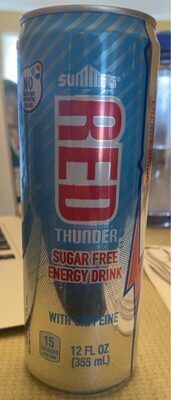
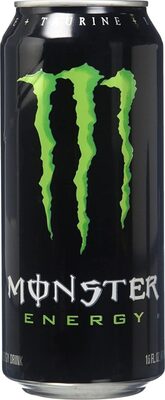
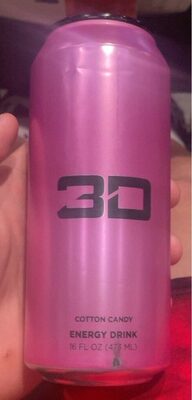
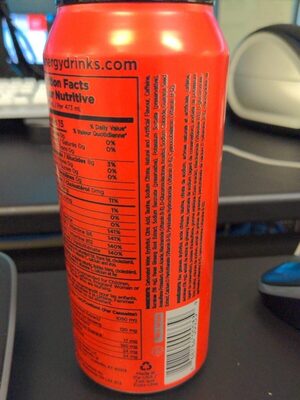
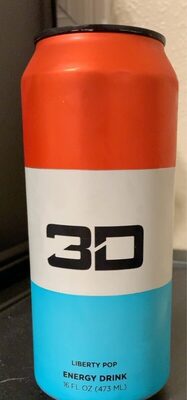
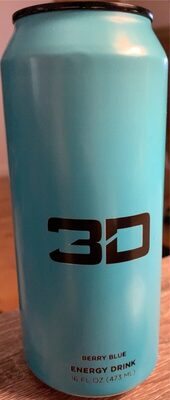
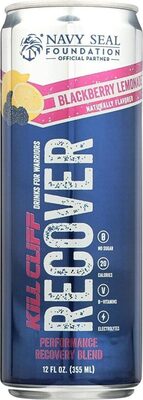
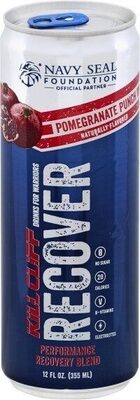
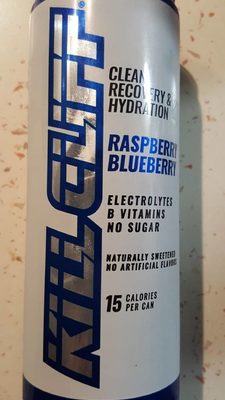
Foods that contain D-glucuronolactone
Compare products →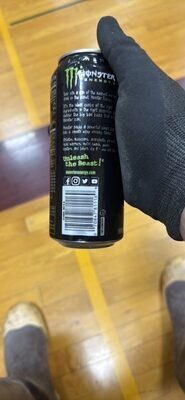

Auto-generated content. This description was generated automatically and is pending editorial review. Inaccuracies are possible. Found a mistake? Contact us.